European Humanism in the Making of Peace
This year’s theme took on particular significance in the current international context, marked by conflicts and growing challenges to coexistence between peoples. The focus was on an interdisciplinary perspective on the role of European humanism in peace-building.
War as a lived experience
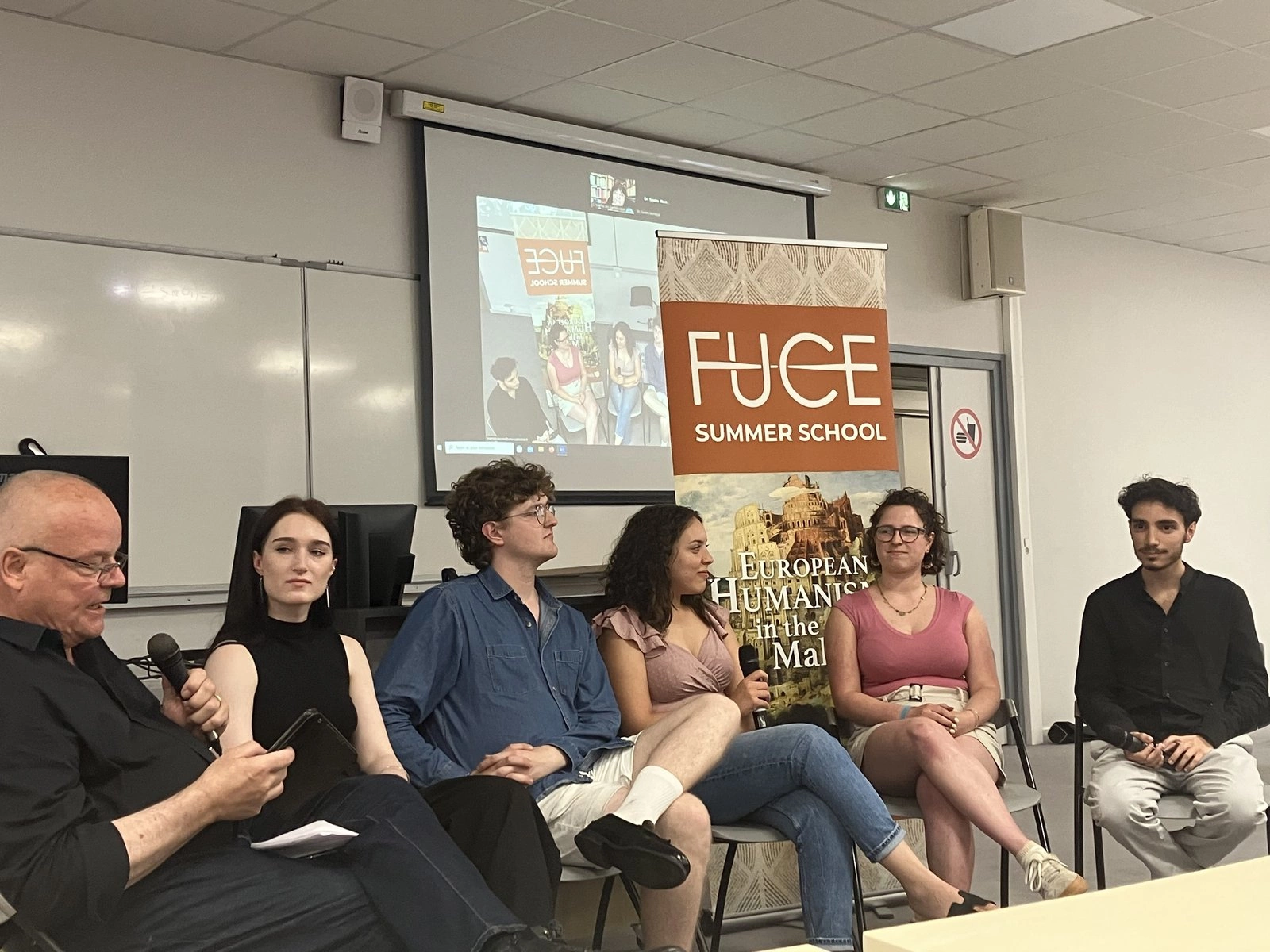
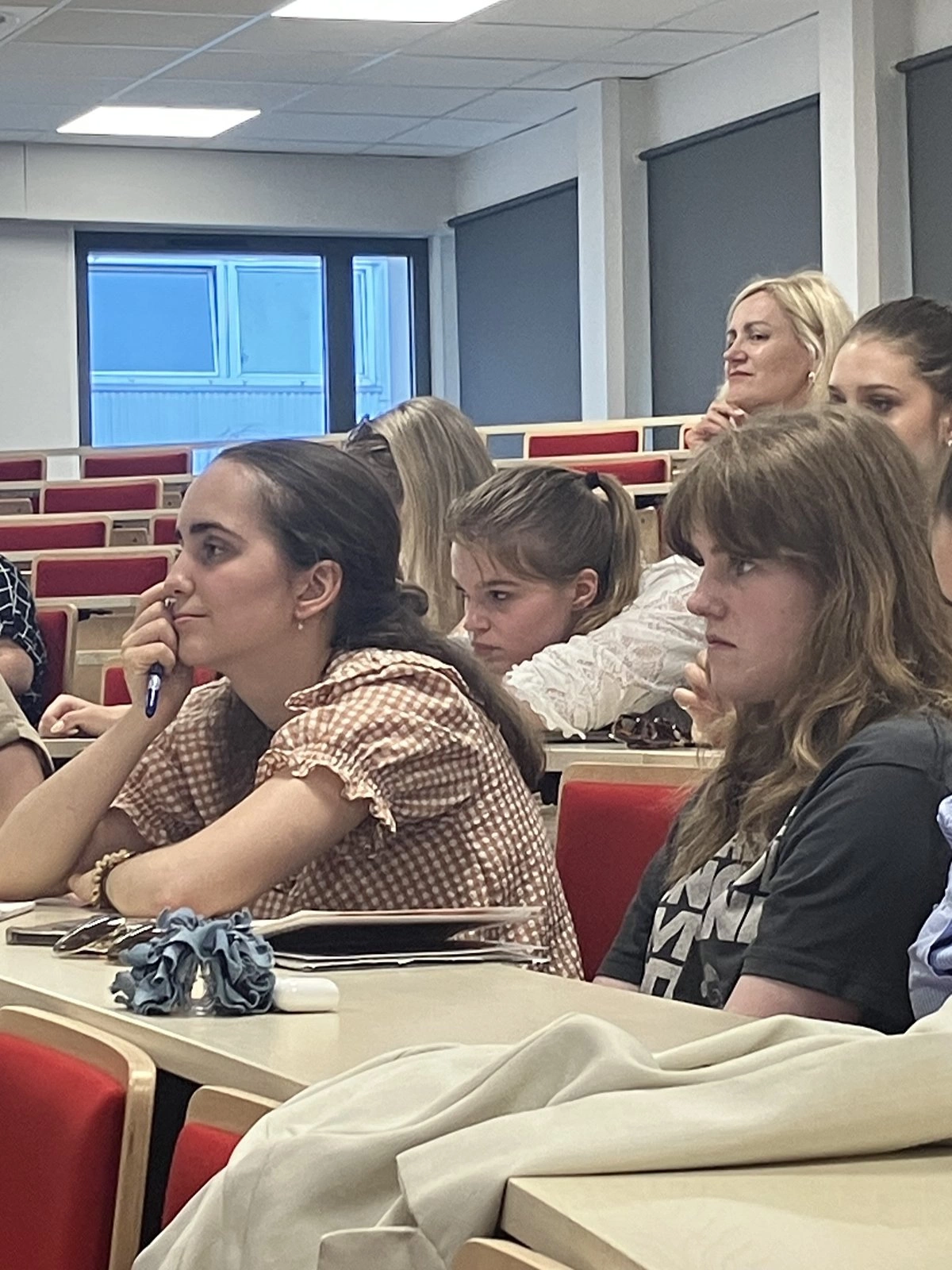
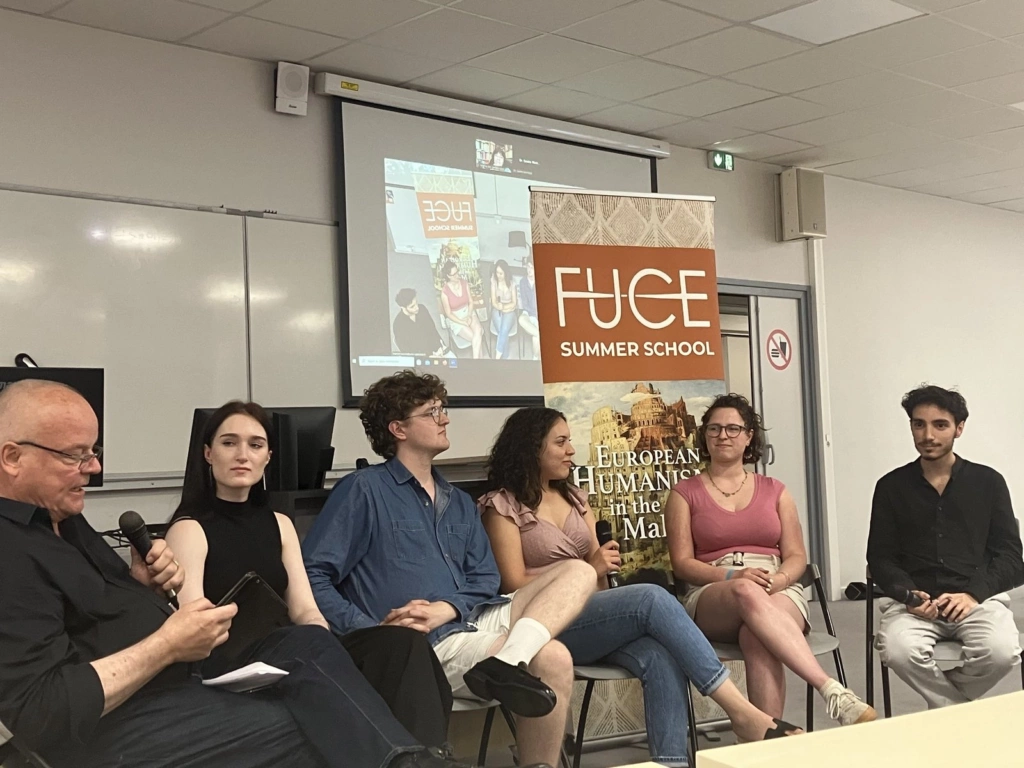
For participants from countries such as Ukraine and Lebanon, war is a very real experience. Their presence and testimonies made an important contribution to the quest for peace in Europe. Some of them shared their personal experiences and their thoughts on the future of Europe during the public panel discussion ‘MyEurope’.
The panel discussion was strongly appreciated by the participants as mentioned in their evaluation of the programme:
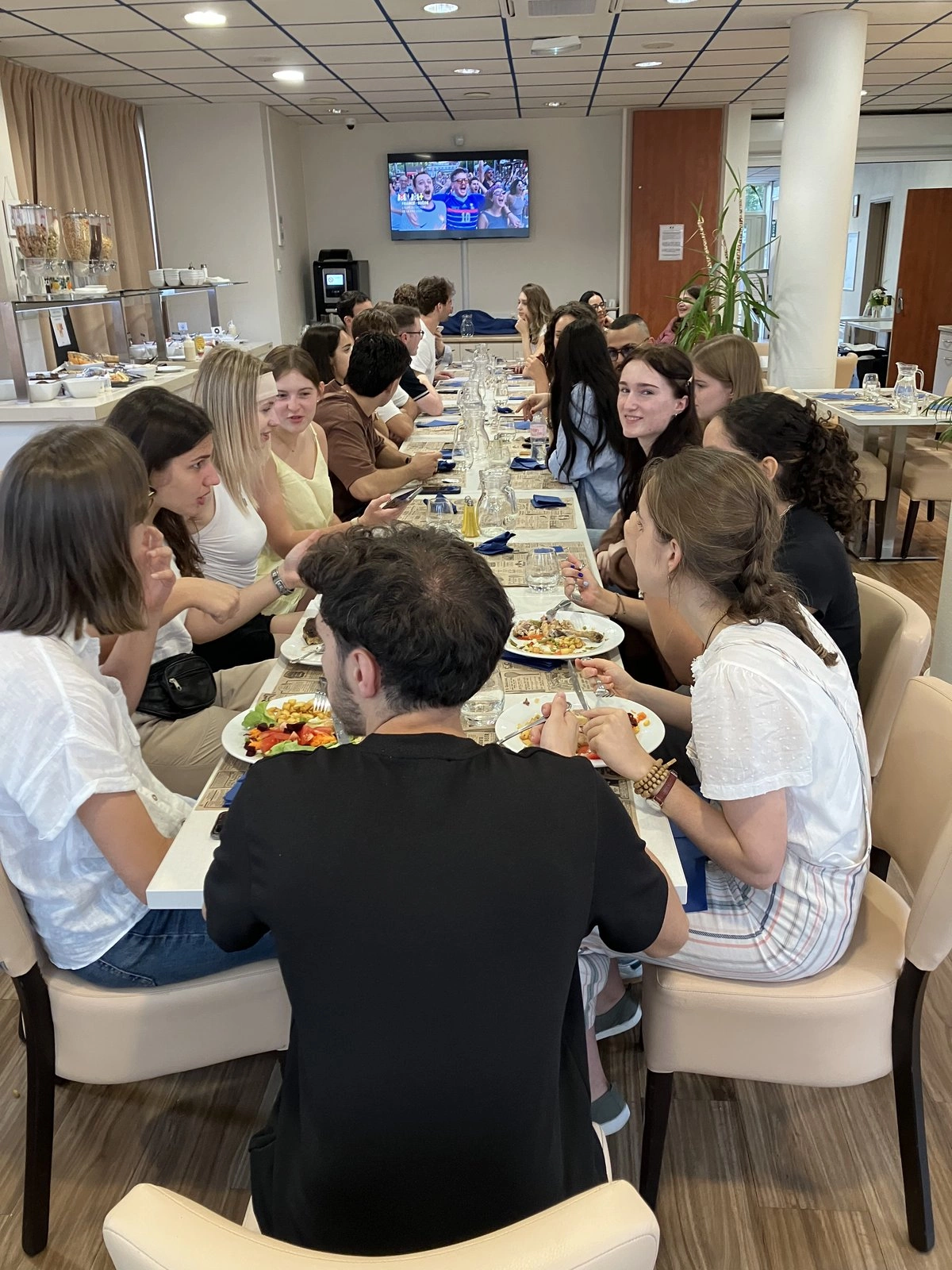
'It fully achieved its aims of fostering intercultural dialogue and deepening our understanding of European identity. Bringing together students from diverse backgrounds allowed us to move past abstract academic theories and engage with the real, lived histories and perspectives of our peers.'
'Broadening one's perspective often requires effort, but this programme made that process much easier.'
'In the future, I would like to participate in more programmes like this because they broaden my perspective, encourage meaningful dialogue, and provide a space where different voices can be heard.'
Nationalism: uniting or dividing?
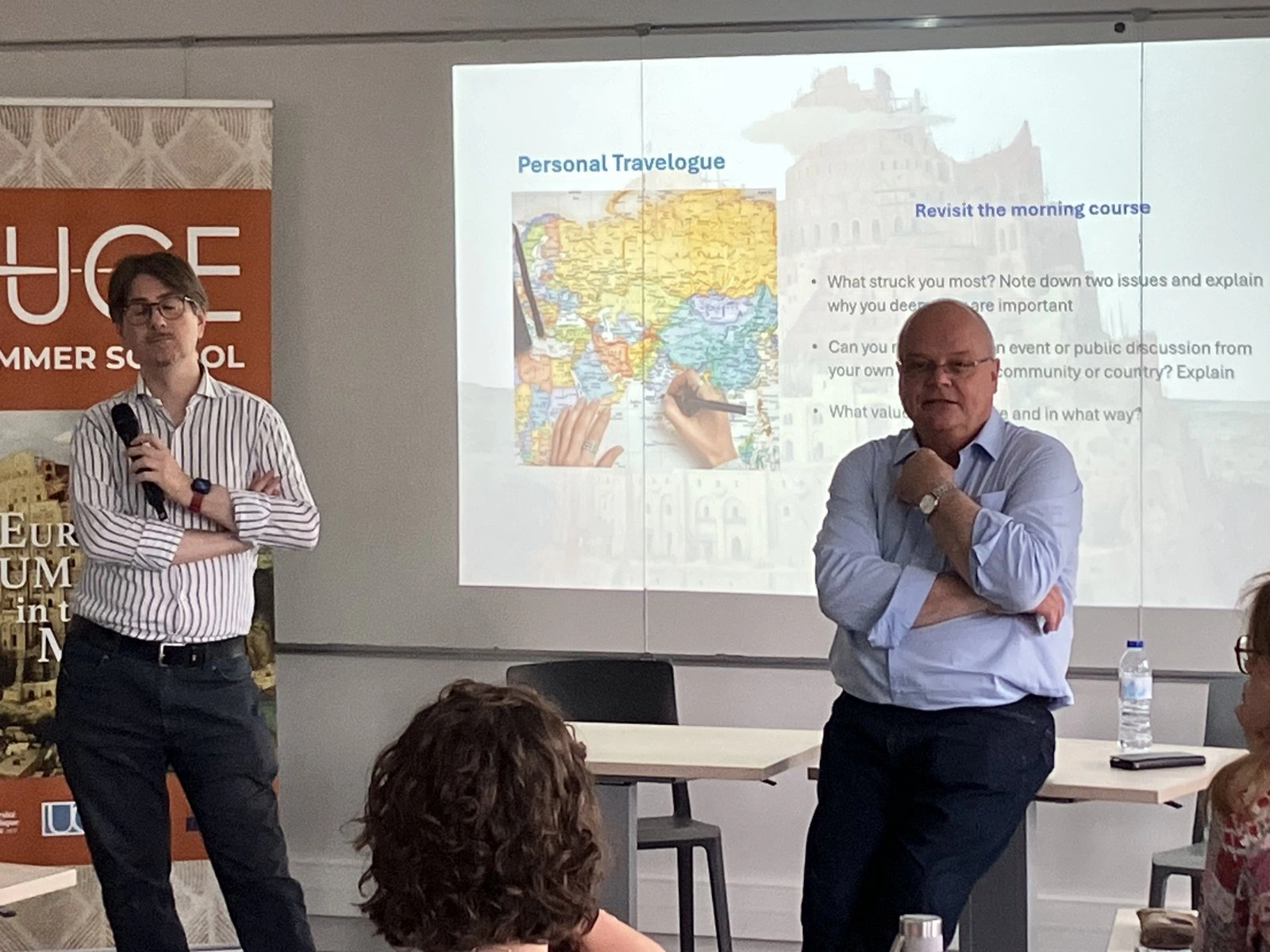
One of the many topics that came to the fore in the discussions was the role of nationalism in uniting and dividing citizens, echoed in the portfolios (‘travelogues’) submitted by the students:
'During one of the lectures we discussed nationalism and patriotism. This led to an interesting debate because these concepts are understood very differently by participants from different countries. For many Ukrainians, nationalism is closely connected to our struggle for freedom and continues to give us the strength and resilience to resist Russian aggression. For some participants, particularly from countries such as France, nationalism carries predominantly negative historical associations.'
'What interested me most as a student in linguistics, was how differently people understand these concepts. A Belgian, a Catalan, a Portuguese, or a German will associate different historical experiences with nationalism. This made me wonder how debates about nationalism often become confusing because people use the same word while referring to very different realities. Perhaps the more important question is not whether nationalism is good or bad, but rather what we believe should bind a political community together.'
European decision-making from the inside
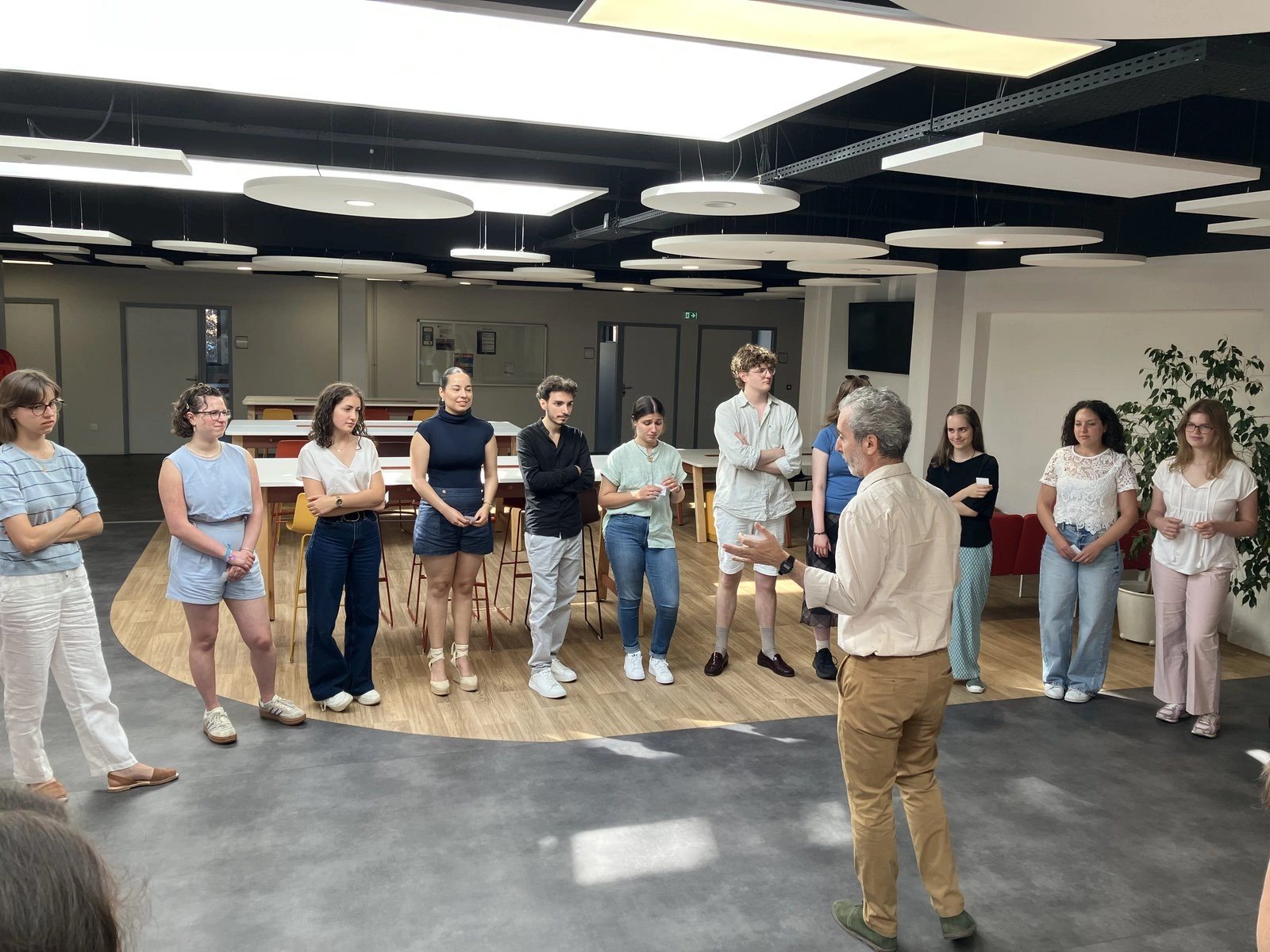
Through a simulation game on political decision-making in the European Parliament (about sanctions against Russia), participants got a real feel for the complexity involved, as conveyed in the evaluation of the exercise:
'During the simulation, what struck me was the diversity of opinions within the European Parliament. The different positions that the political groups were representing show how, even with shared basic values, turning them into action can take different forms. It also shows how the EU is respectful of different opinions and trusts the democratic institutions and processes to make decisions for its people. Still, the public is often unaware of how specifically these democratic processes work. This shows that there is still potential to increase public awareness and civic participation.'
Peace in a story
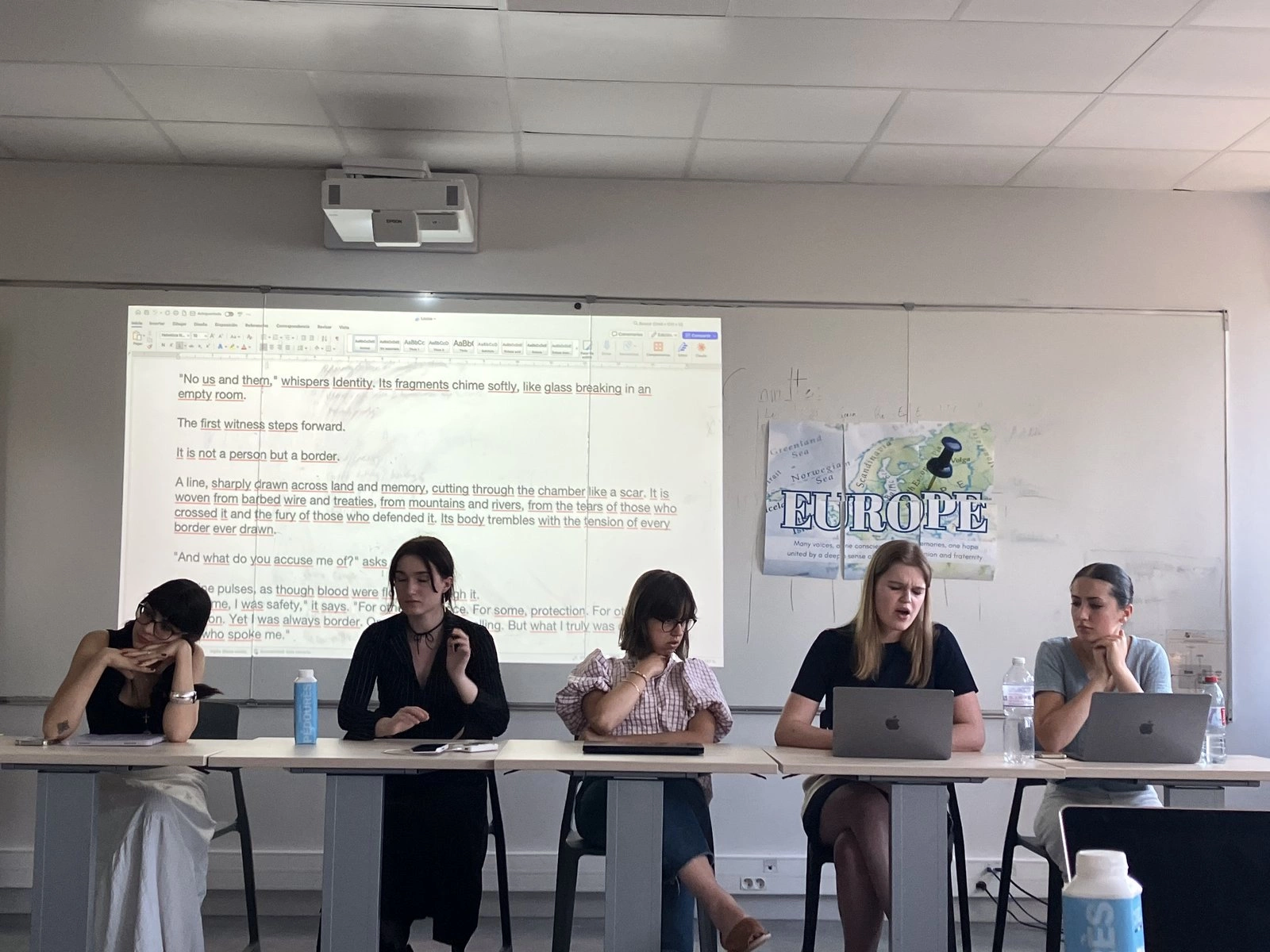
While the summer school programme wants to stimulate critical reflection, it also encourages emotional engagement with the subject at hand, by inviting the students to compose a fictive story. Reflecting on the assignment to write a story that includes a conflict, not necessarily war-themed, but following a structure (or itinerary) of harmony, disruption, and resolution, a student shared the following thought:
'Paradoxically, a story intended to explore the process of peace must include a conflict. It must focus on the difficult work of building, negotiating, or sustaining peace against active opposing forces. The key difference between narrative conflict and real-world conflict is that the fictional one leads to a state of harmony and enrichment while the real-world conflict causes trauma and generates cycles of violence and destruction.'
From Ypres to Zagreb
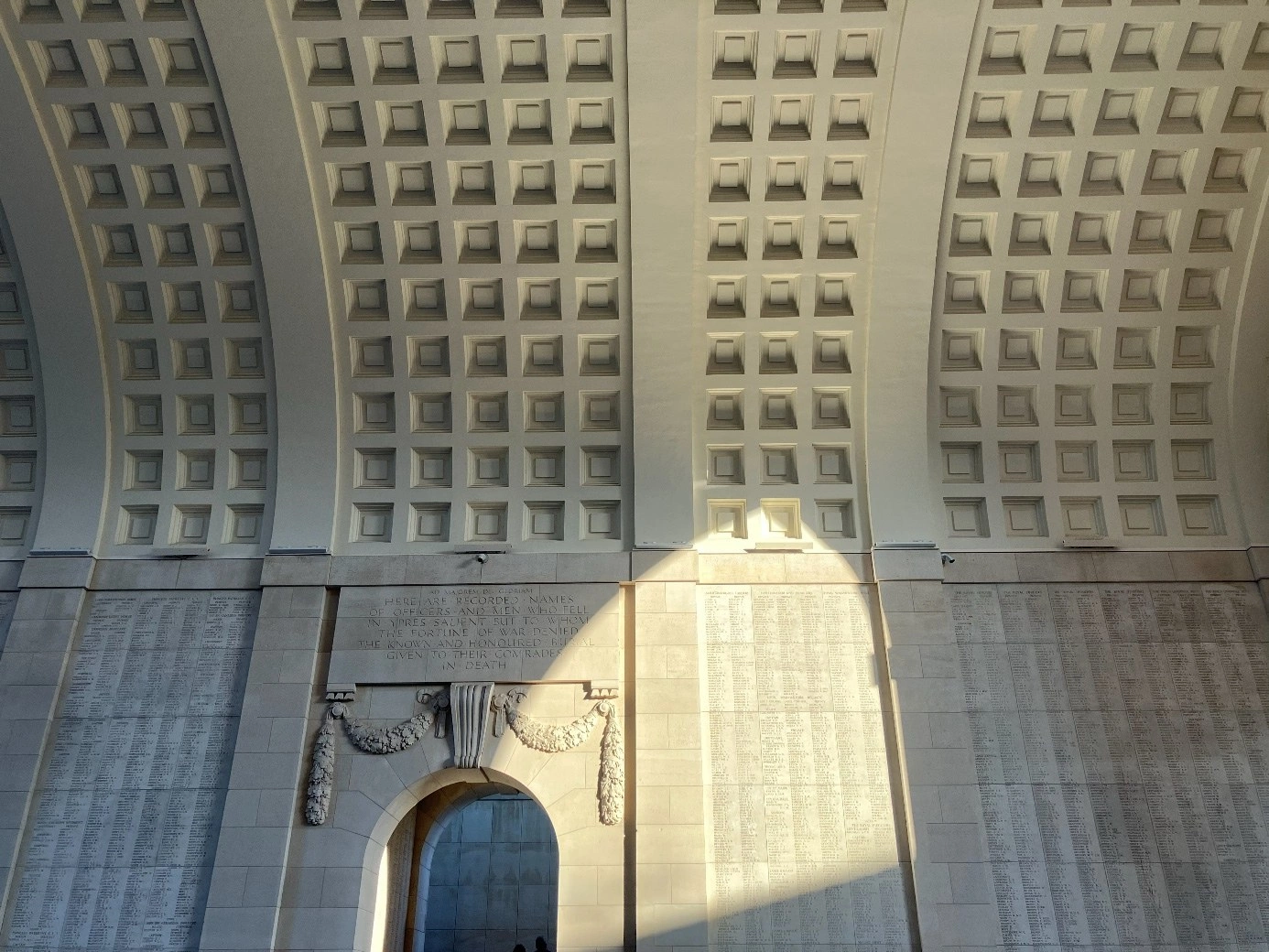
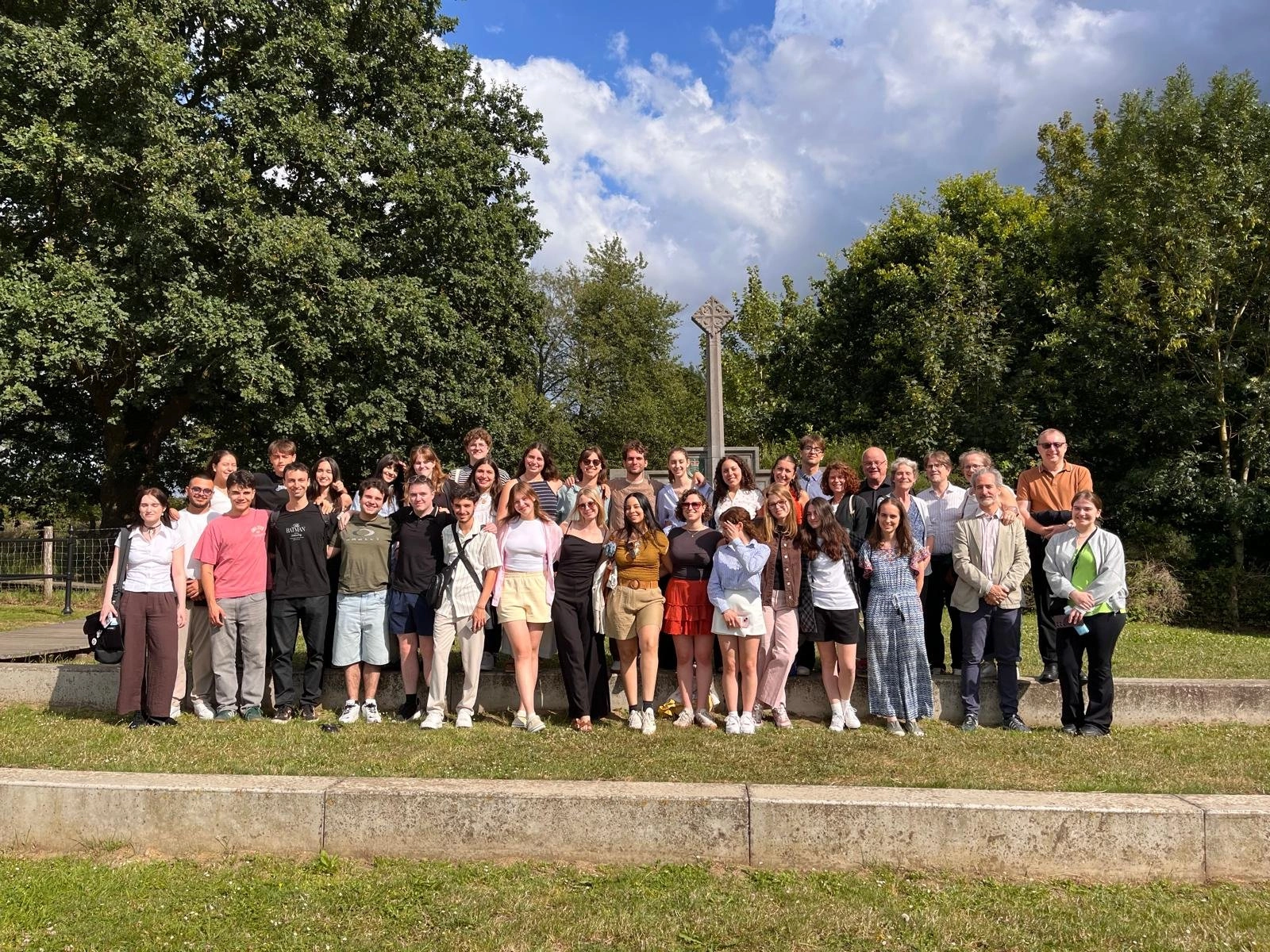
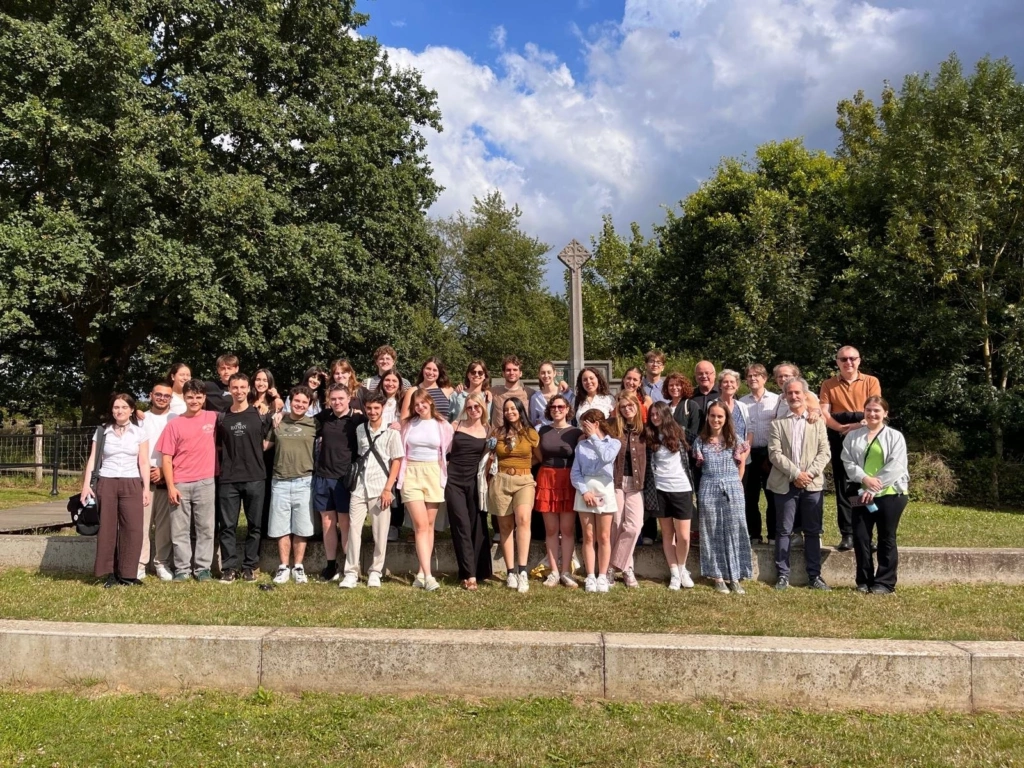
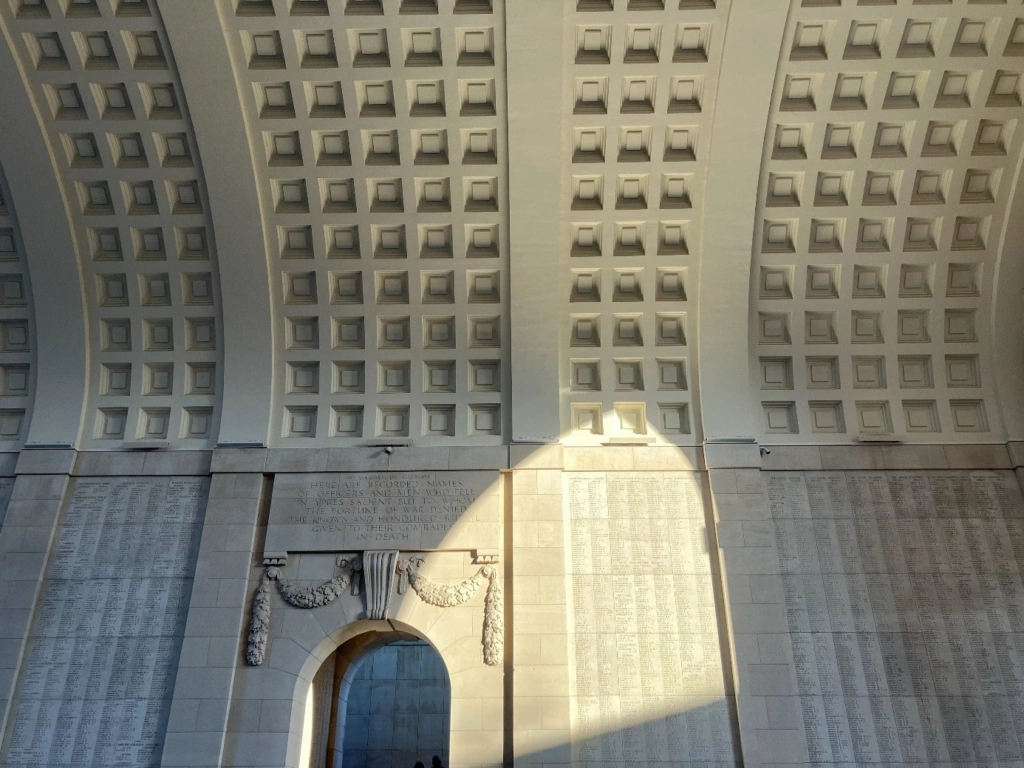
An excursion to Flanders Fields in Ypres, visiting memorials and battlefields from the First World War, further confronted the participants with the lasting historical wounds of war on world scale.
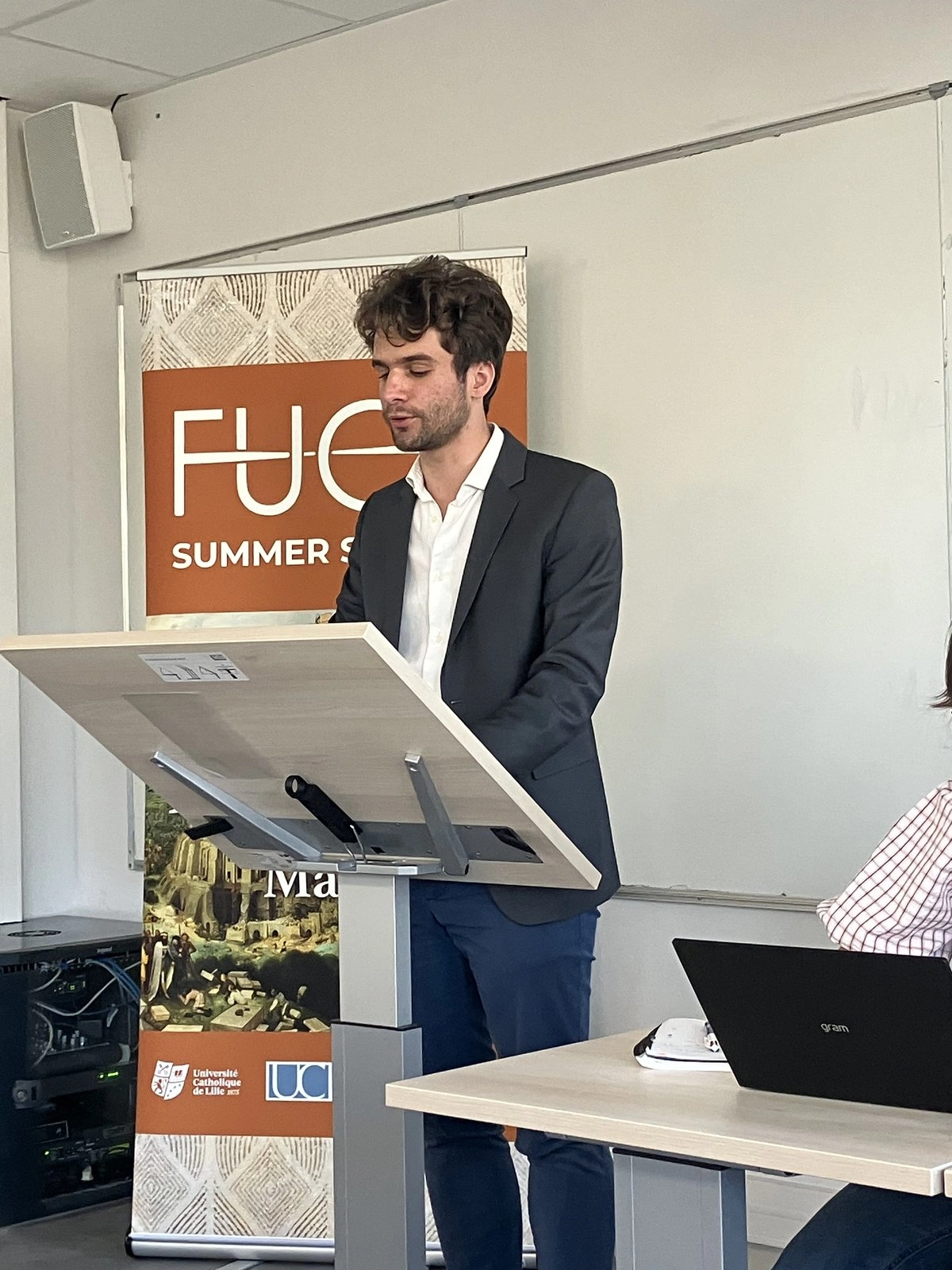
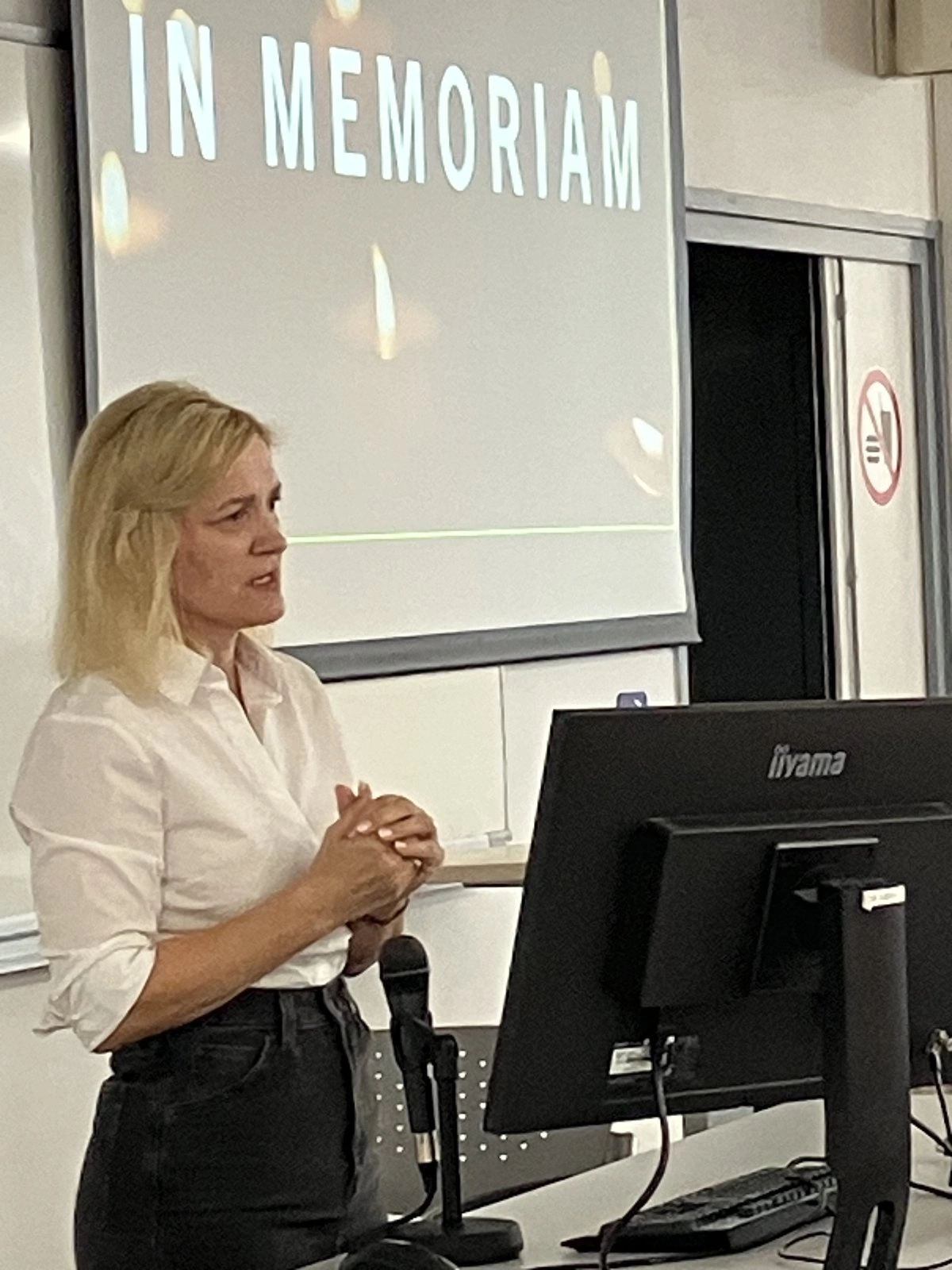
The topic was extended to the realm of conflict memory politics in the keynote lecture by Jasna Ćurković Nimac, Vice-Rector for International Cooperation of the Catholic University of Croatia, the next host of the FUCE summer school.
This edition of the summer school thus laid the foundation for the new upcoming 3-year cycle to take place in Zagreb, where the issue of shifting territorial and cultural borders and its psychological impact will be studied in more detail.
Critical education and dialogue
To conclude, a student remarked that:
'Although we all remember conflicts and wars in our own way, this creates a sort of common ground. For this reason, experiences of past conflicts are both diverse and unifying. The stories are different, but the human suffering behind them is something we can all understand. The most important resources for building peace are therefore not law, institutions or collective memory alone, but the combination of critical education and dialogue. Laws and institutions cannot create solidarity by themselves; education helps us understand complexity, while dialogue allows us to encounter people whose experiences differ from our own.'