A period that turned everything upside down
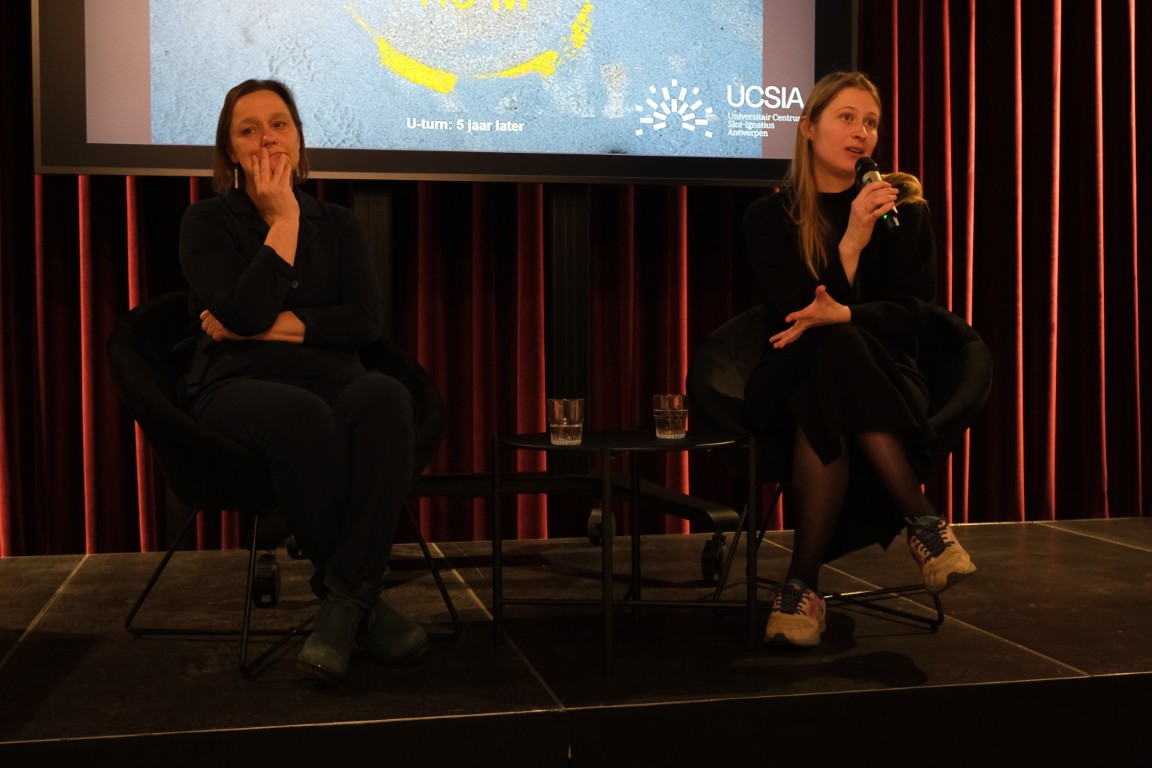
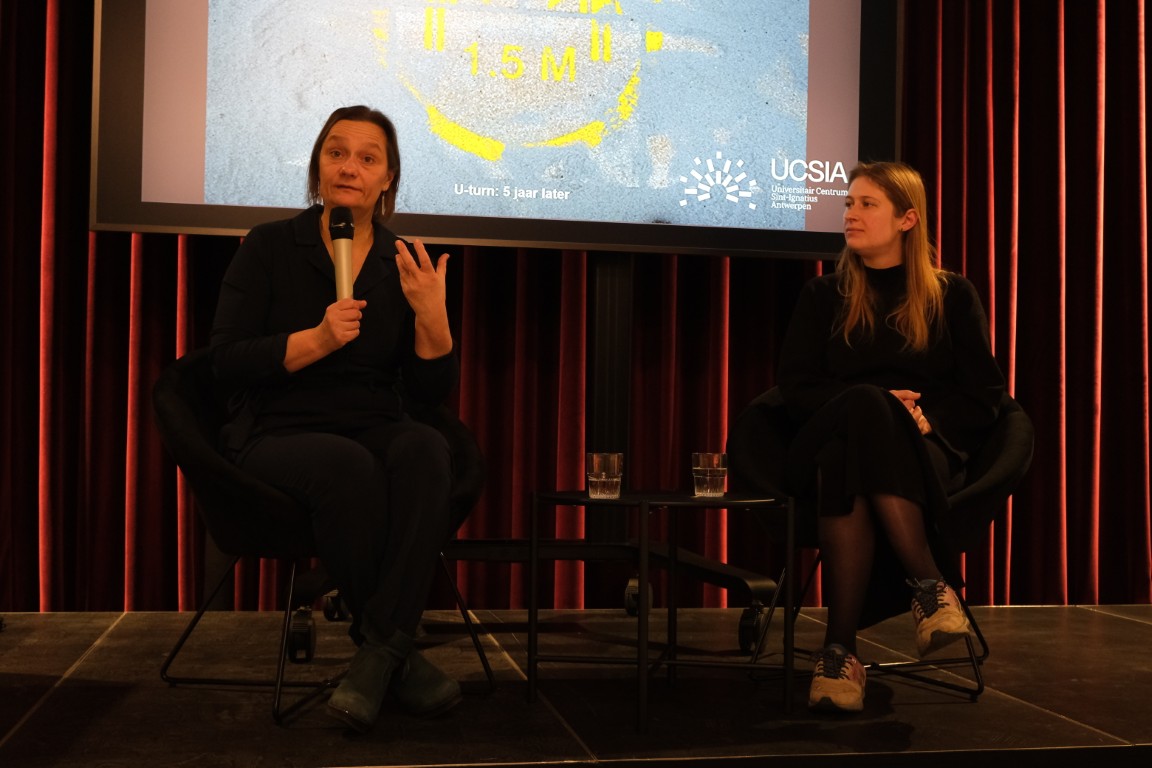
In his introduction, moderator Erik De Bom looked back on the first weeks of the pandemic. What began as a period of uncertainty and radical measures also proved to be a moment in which our society suddenly showed itself capable of profound change. Work was reorganized in a short space of time, social habits shifted, and questions of solidarity, justice, and sustainability came firmly to the fore.
These questions also form the starting point of the series U-turn: 5 years later. What, in the end, remains of the ambitions and insights from that period?
Infectious diseases: science, behaviour, and humanity
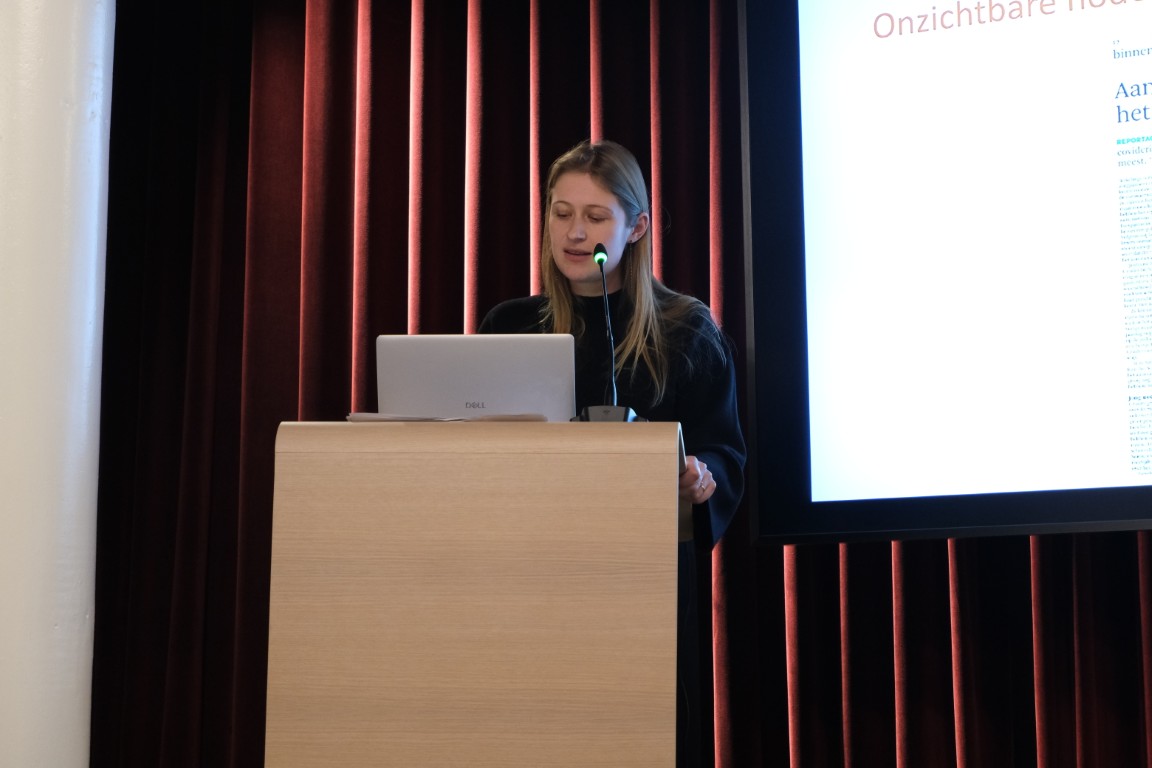
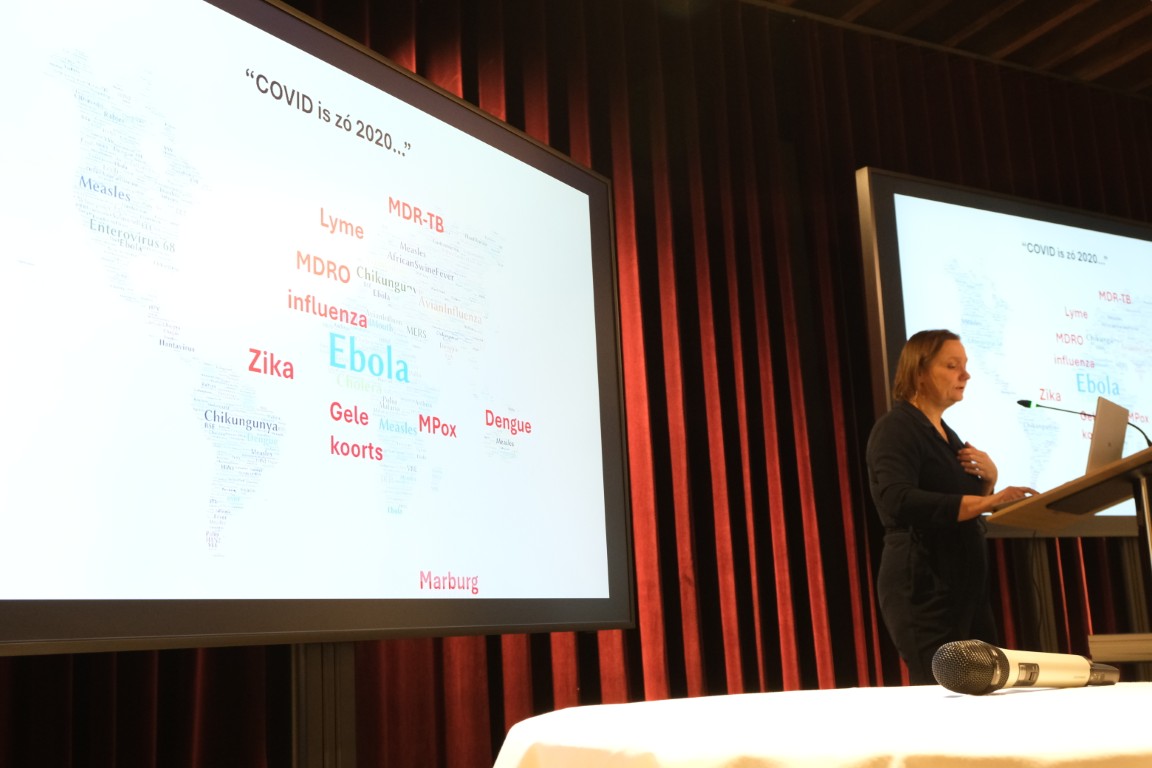
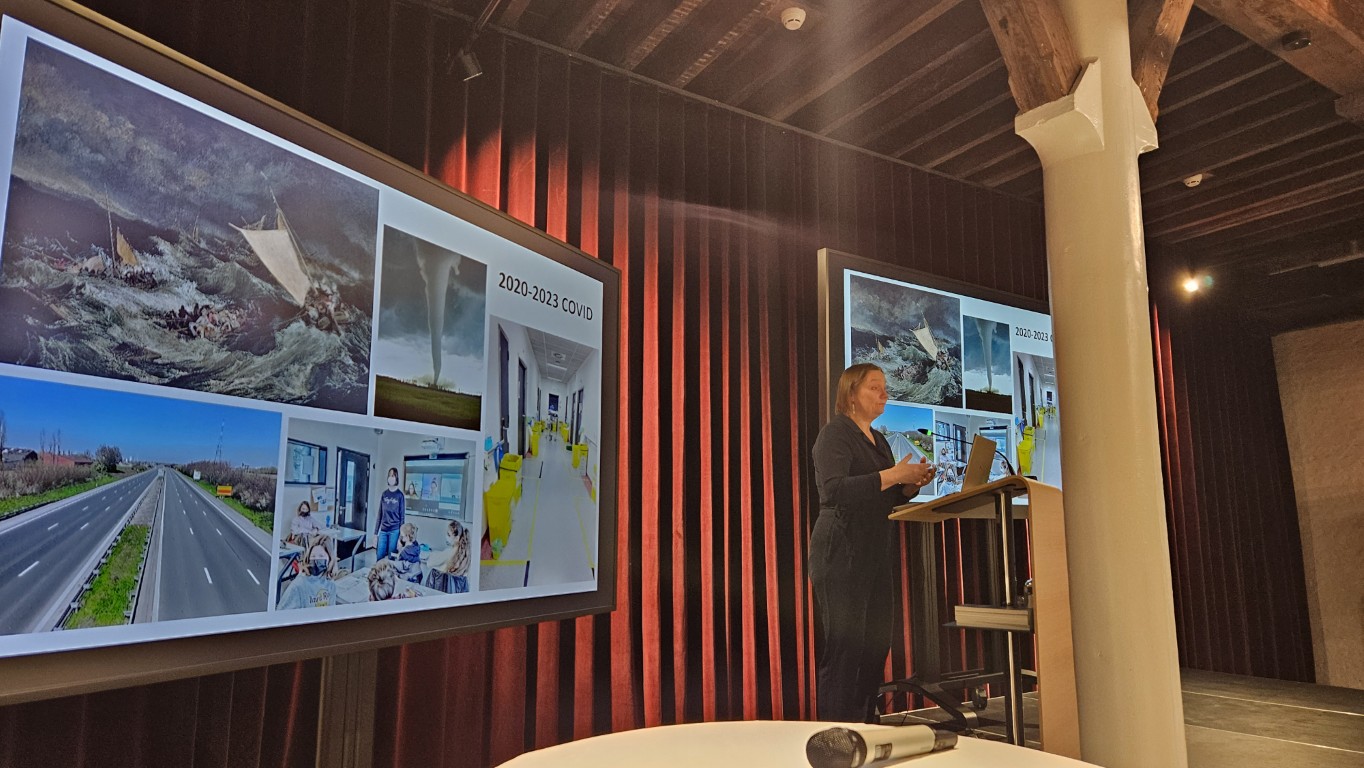
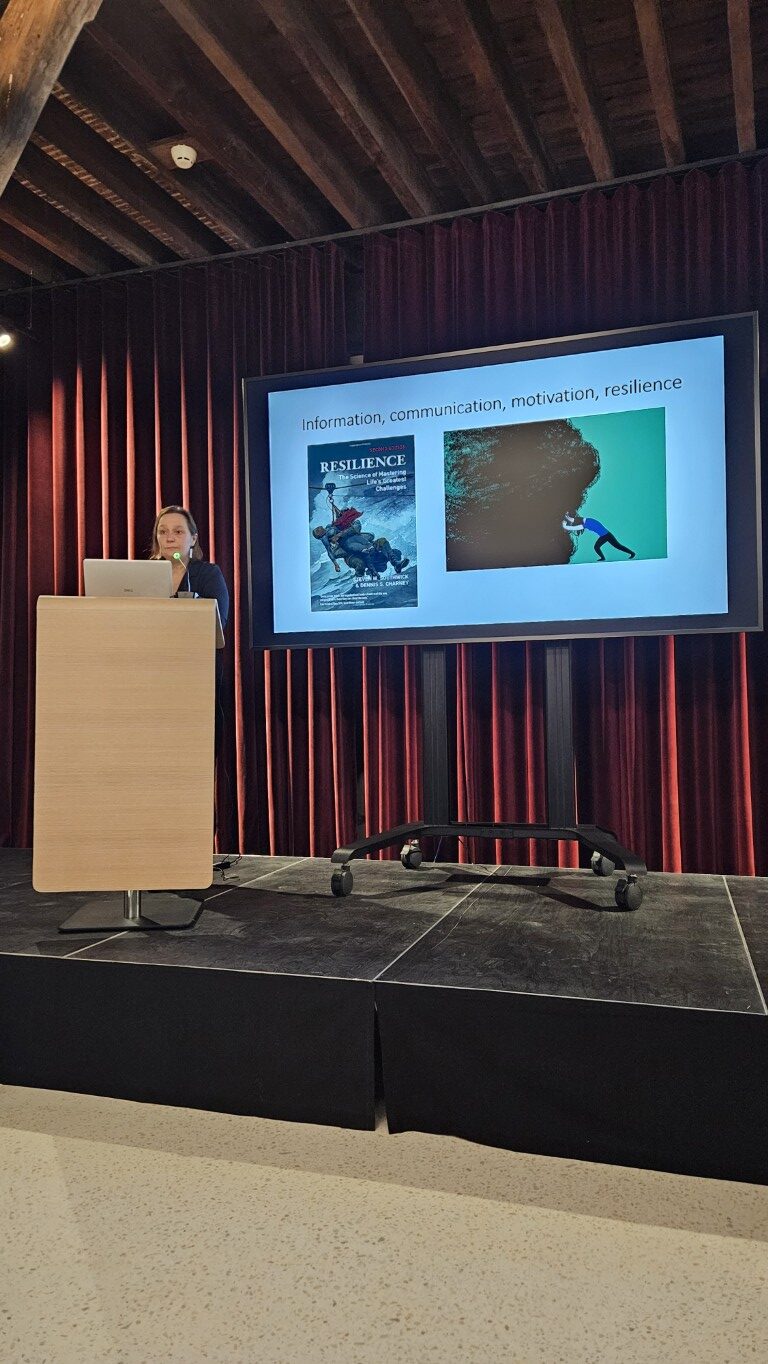
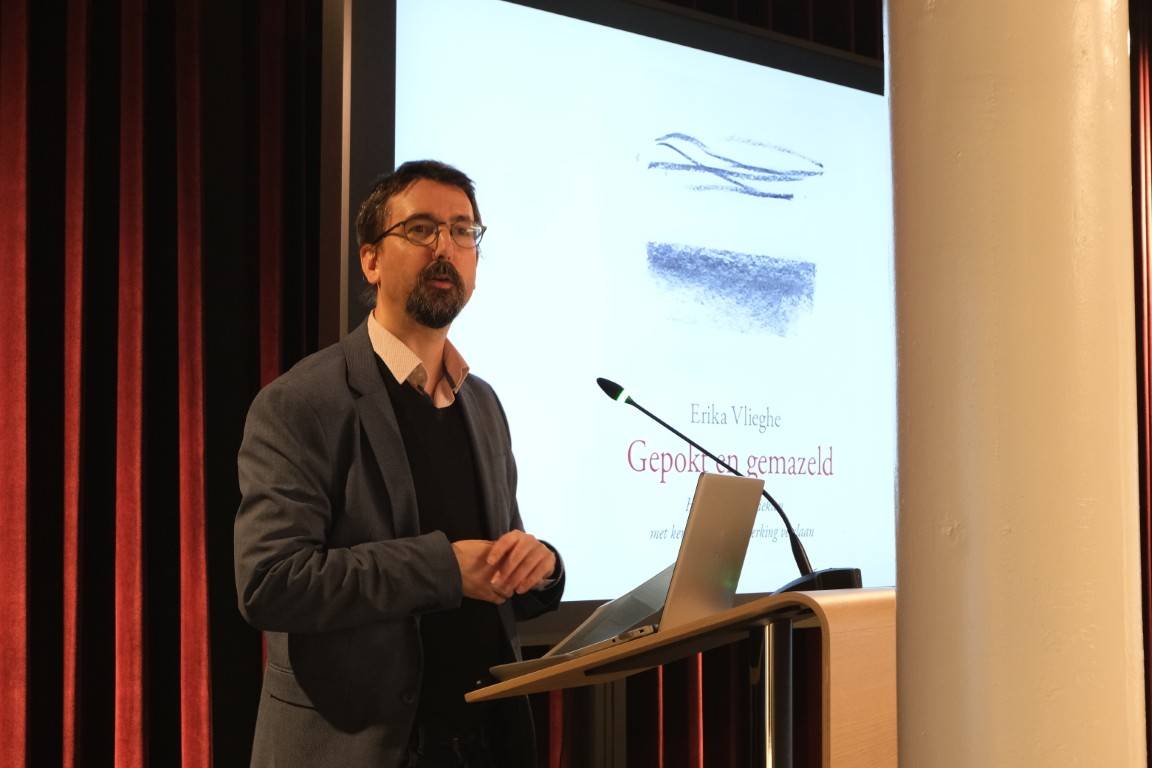
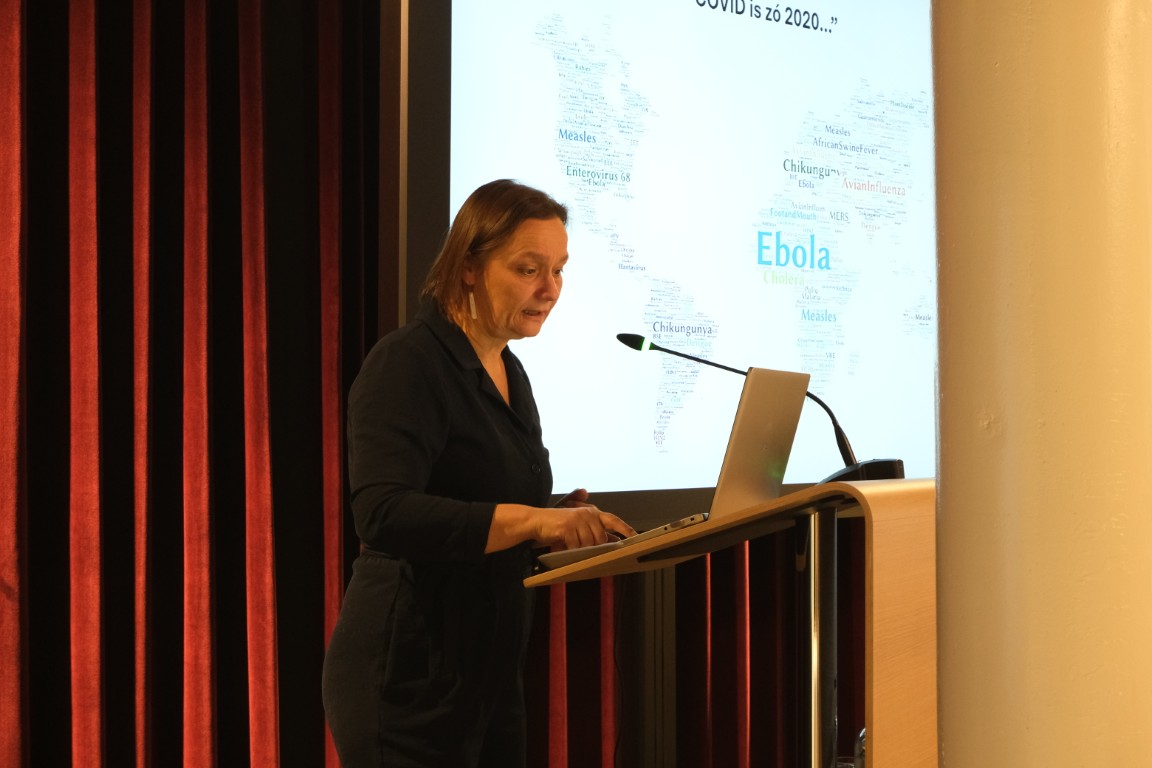
In her lecture, Erika Vlieghe guided the audience through the complex world of infectious diseases. COVID-19 is just one of many infectious diseases humanity has faced throughout its history — and one we continue to be confronted with today. New outbreaks will continue to emerge.
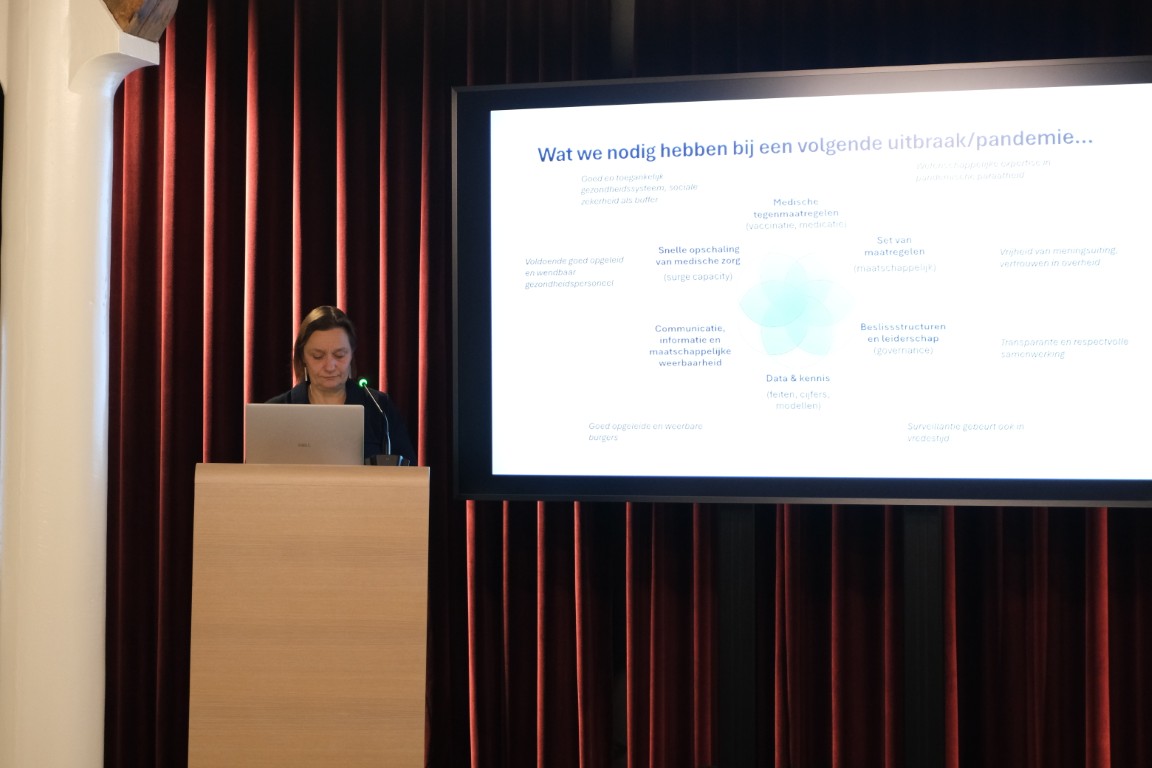
That is precisely why continuous monitoring is essential. By tracking infectious diseases worldwide and detecting signals at an early stage, governments and public health authorities can try to contain major outbreaks in time.
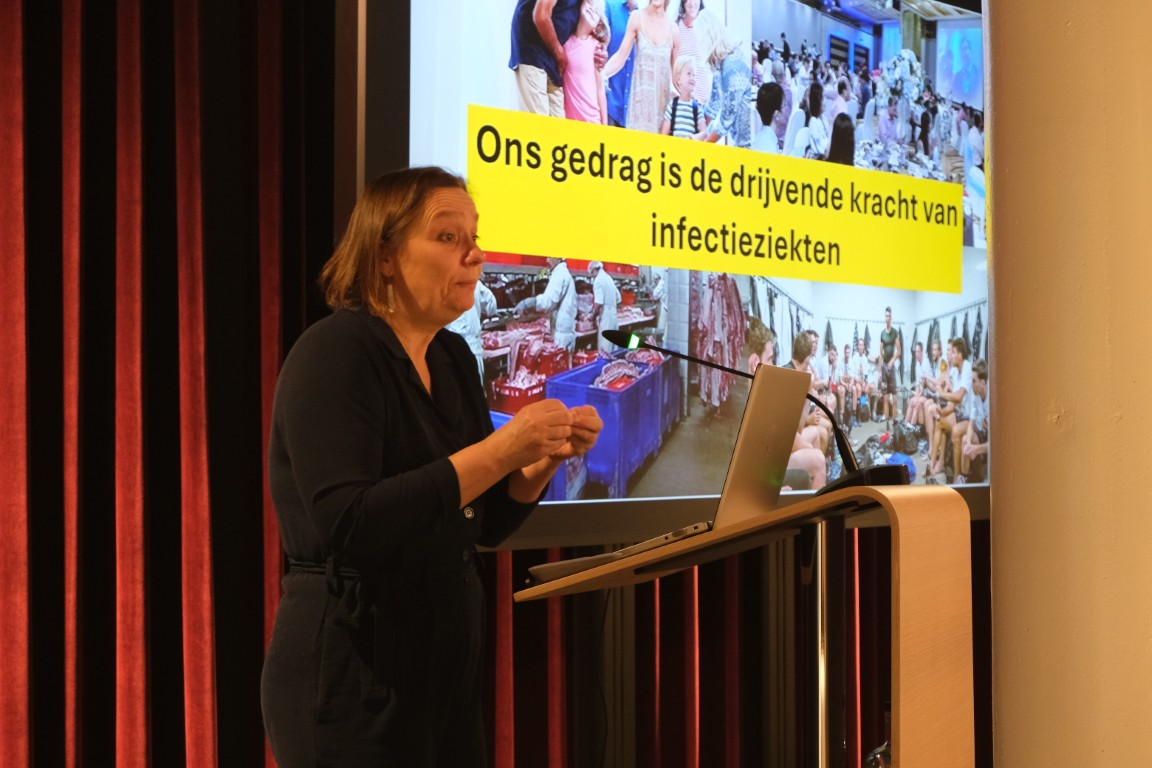
At the same time, Vlieghe emphasized that human behaviour is a crucial driver in the spread of infectious diseases. Viruses travel along with our contacts, mobility, and social habits. This means that measures to stop outbreaks often have a profound impact on our daily lives.
This creates a difficult balance. Interventions designed to stop the virus — such as social distancing or restrictions on contact — affect our relationships, our behaviour, and the way we live together. According to Vlieghe, it is therefore important to take both sides seriously: the need for decisive public health measures and the need for human proximity and dignity.
Want to know more? Then read Gepokt en gemazeld, the latest book by Erika Vlieghe.
Meaningfulness and human proximity in elderly care
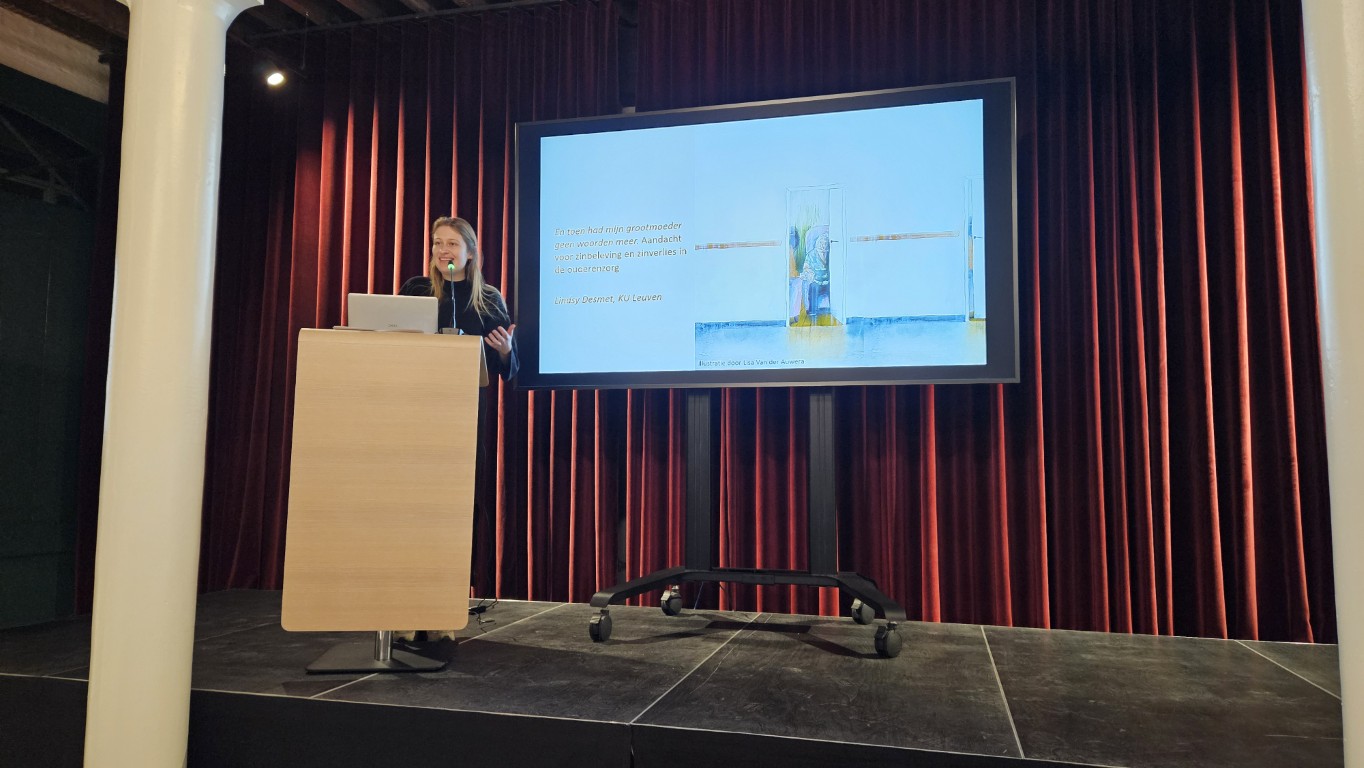
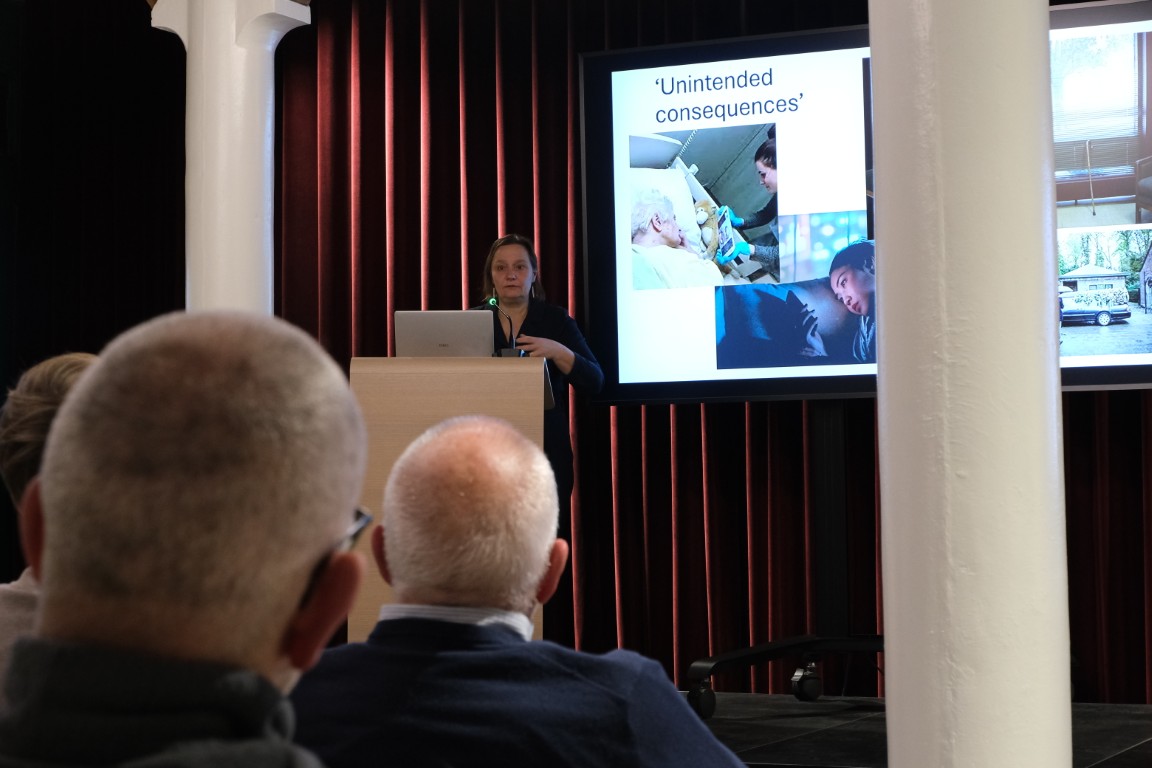
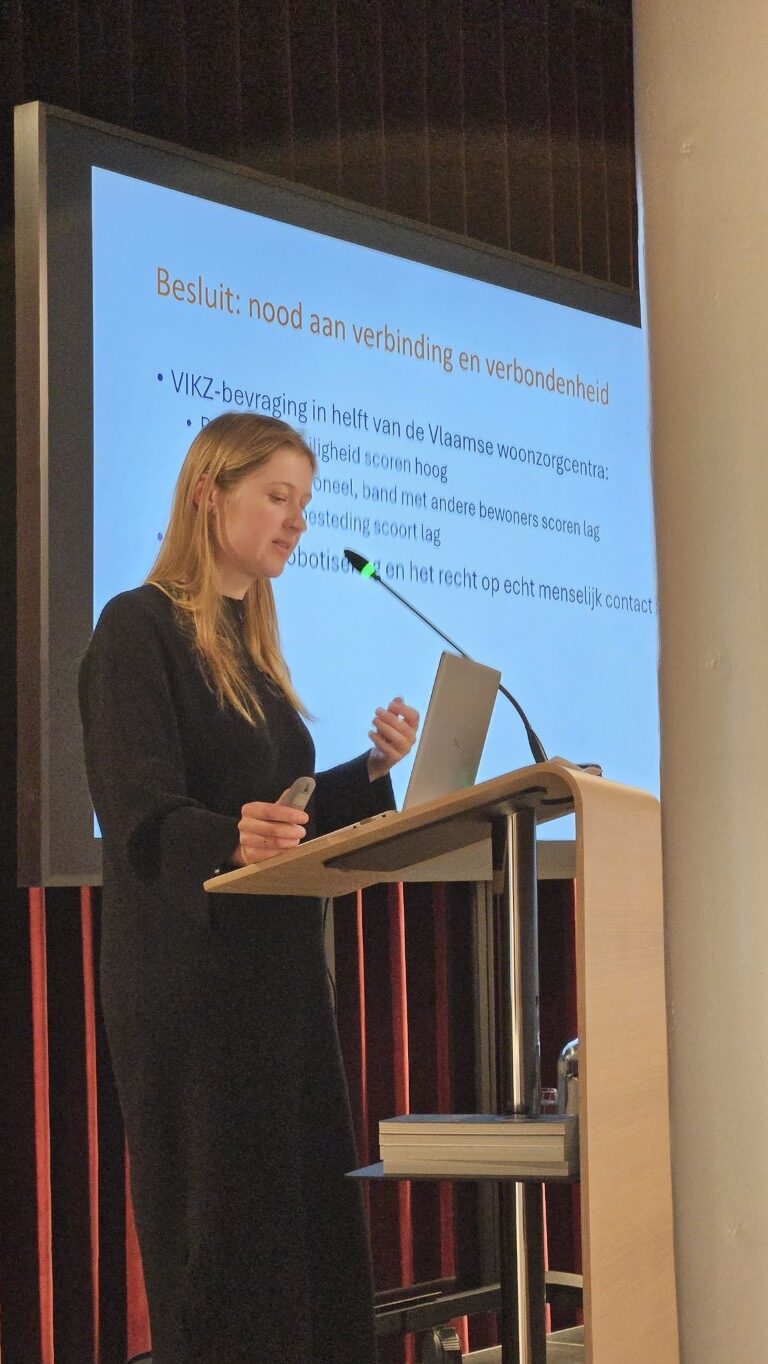
The second part of the evening brought a different but closely related perspective. Drawing on her research with geriatric patients, Lindsy Desmet reflected on the impact of the pandemic on meaningfulness in elderly care.
She pointed out that elder care policy is often designed by policymakers and professionals in their thirties and forties. They are in a stage of life in which values such as freedom, autonomy, and independence take centre stage. For older people in care settings, however, other aspects are often more important: proximity, meaningful relationships, and attention to everyday life.
During the pandemic, this tension became painfully visible. In the rush to protect lives, residents of care homes sometimes found themselves in situations where essential human contact was lost.
At the same time, Desmet also observes a positive shift: since the pandemic, there has been greater attention to the wishes and needs of residents themselves. In many care institutions, there is a growing awareness that quality of life and meaningfulness are essential components of good care.
She did, however, warn of a potential new challenge. Technological innovations in care offer many opportunities, but they can also lead to human touch and personal interaction being pushed into the background. According to Desmet, it is important to continually weigh technology against what is truly meaningful for residents.
Preparing for future crises
The evening made it clear that the pandemic was not only a medical crisis, but also a social and existential experience.
For the future, Erika Vlieghe emphasizes that it remains crucial to closely monitor potentially threatening infectious diseases. Monitoring and international cooperation form an important pillar of preventive public health policy.
She also argued for initiating discussions now on difficult and ethical questions surrounding crisis measures. During an outbreak, there is often little time or space for public debate. That is precisely why it is important to have these discussions in calmer times, as part of preparing for a future health crisis.
Forward thinking is also essential in elderly care. According to Lindsy Desmet, this includes ensuring that older people themselves have a voice in the policies that shape their lives. Only then can care truly reflect what matters to them.
With these insights, the first lecture of U-turn: 5 years later set the tone for the rest of the series: looking back at the COVID period in order to better understand how we, as a society, can respond to future challenges.









U-turn: 5 years later
This is the first lecture in the series U-turn: 5 years later, in which we explore the lasting impact of the COVID period.
When COVID-19 broke out in 2020, our society came to a standstill. Suddenly, there was space to imagine a new way of living together, with greater attention to humanity, solidarity and social justice.
Five years have passed. What is left of those noble intentions?
Discover the other lectures in the series:
Listen to the podcast Solidariteit Spreekt!
In the first season of our podcast Solidariteit Spreekt, we build up towards the lecture series U‑turn: 5 years later.
Journalist Linda De Win, together with experts, examined developments in solidarity, sustainability, and future thinking through the lens of the COVID period.
Discover the podcast series Solidariteit Spreekt!
- Urban sociologist Stijn Oosterlynck (University of Antwerp) and Naima Charkaoui (11.11.11) on solidarity and international cooperation
- Cathy Macharis (House of Sustainable Transitions – VUB) and Eva Smets (Oxfam Belgium) on sustainability and social justice
- Bert De Munck (University of Antwerp) and Jorgen Stassijns (Sciensano) on thinking about the future