Joint Forces
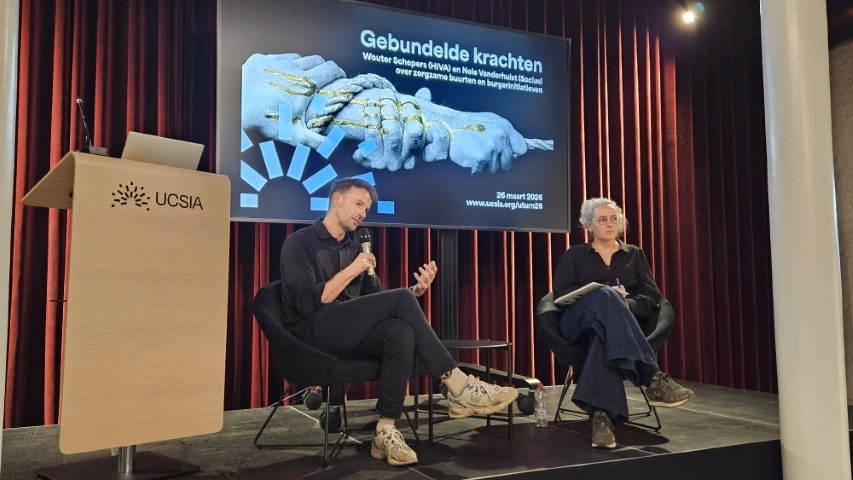
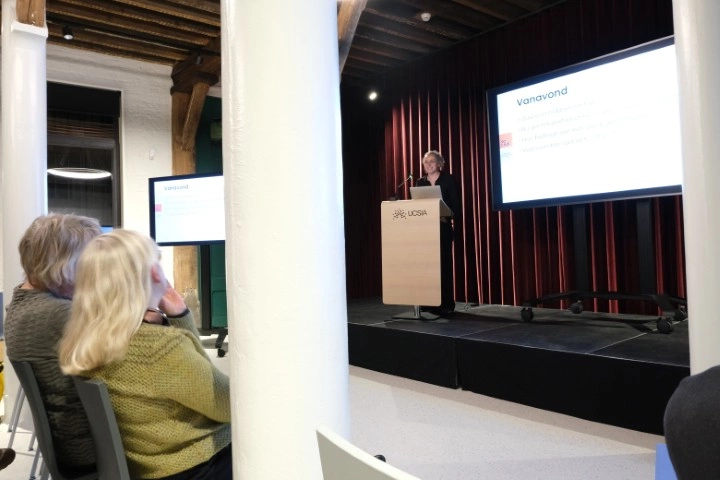
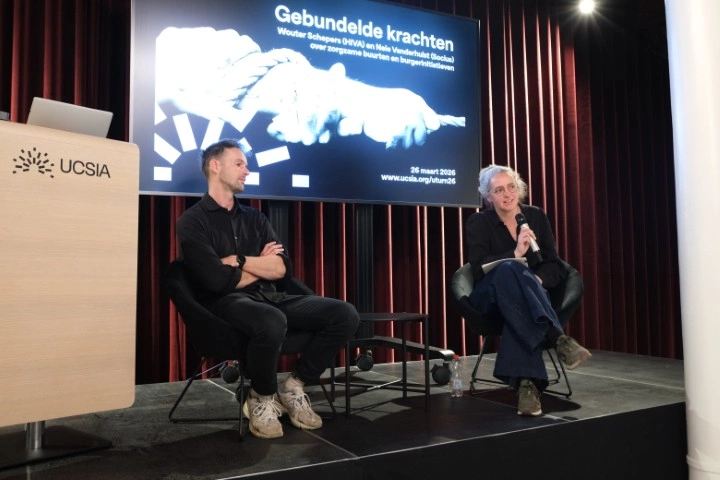
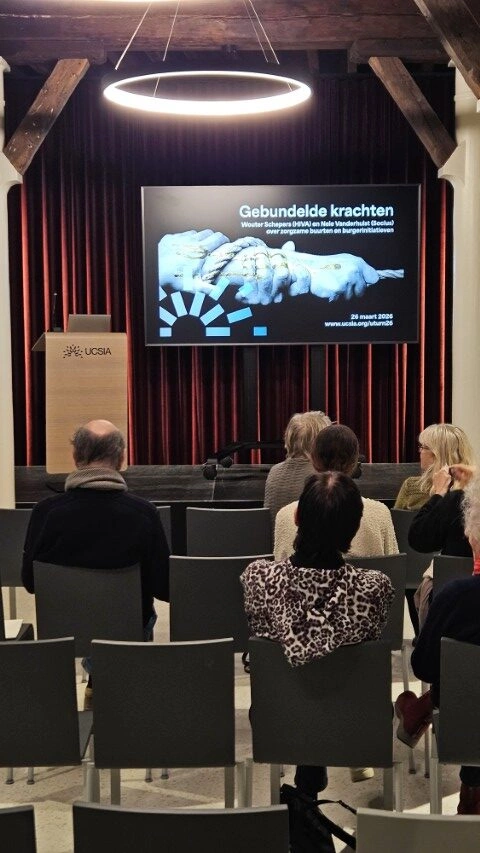
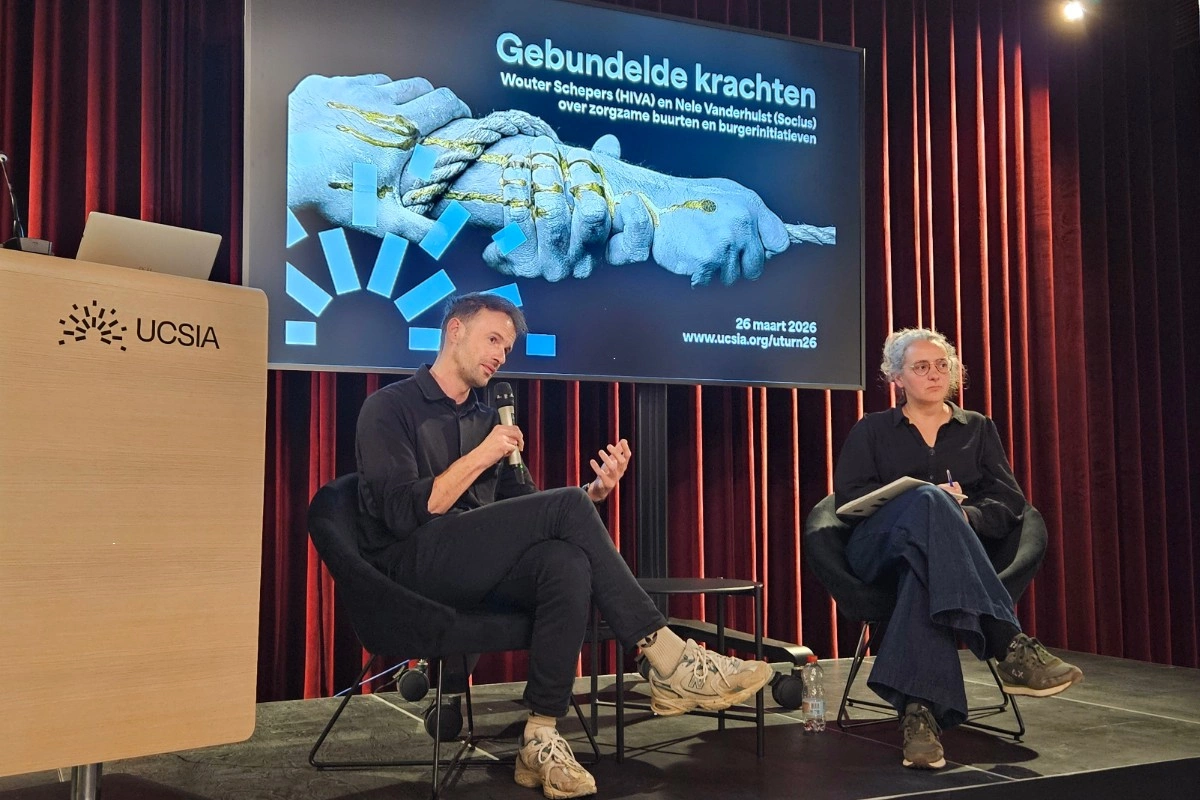
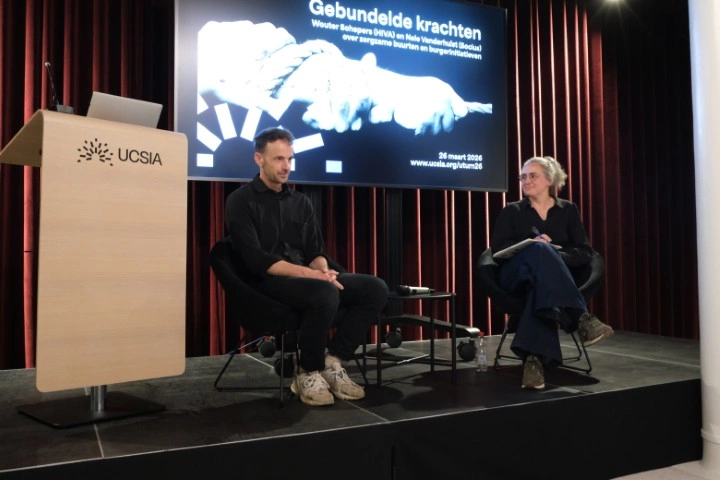
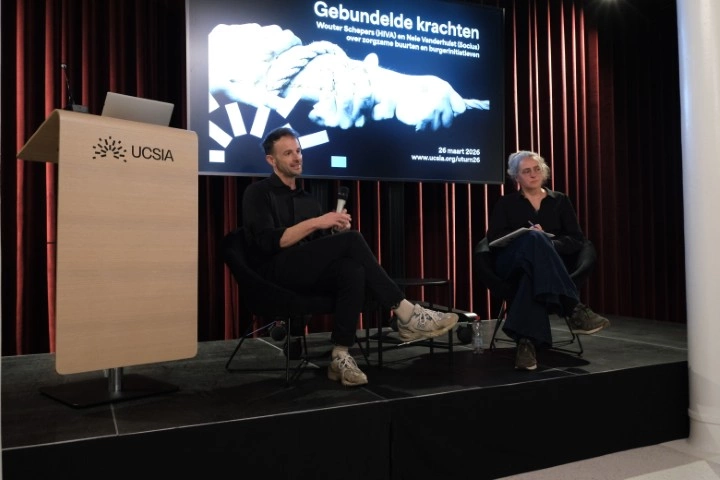
The third lecture in the series U-turn: 5 years later focused on two key questions: what impact has the COVID crisis had on loneliness and on the places where we live? And how did citizens respond by organizing themselves in new ways? Wouter Schepers (HIVA – KU Leuven) and Nele Vanderhulst (Socius) each offered their own, complementary perspective.
Making space for loneliness
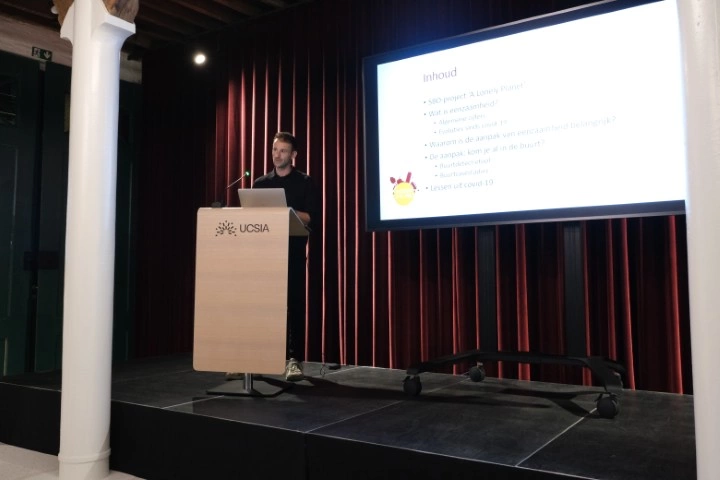
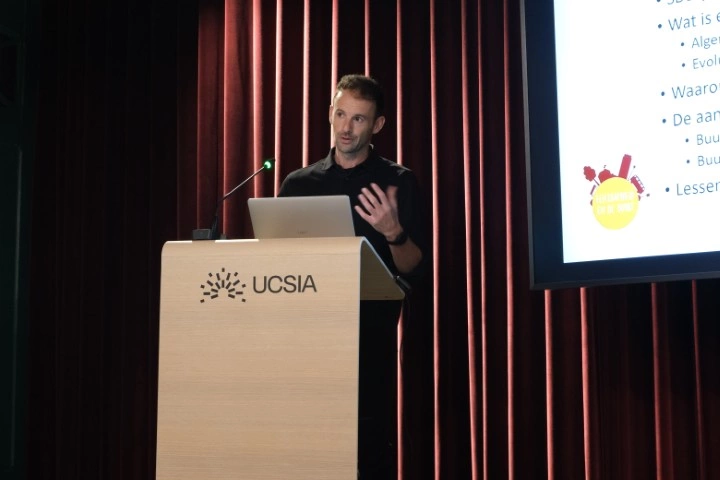
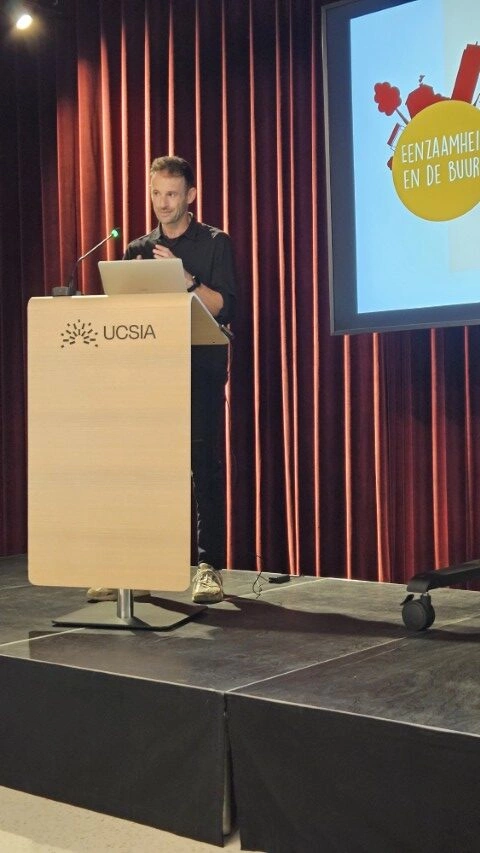
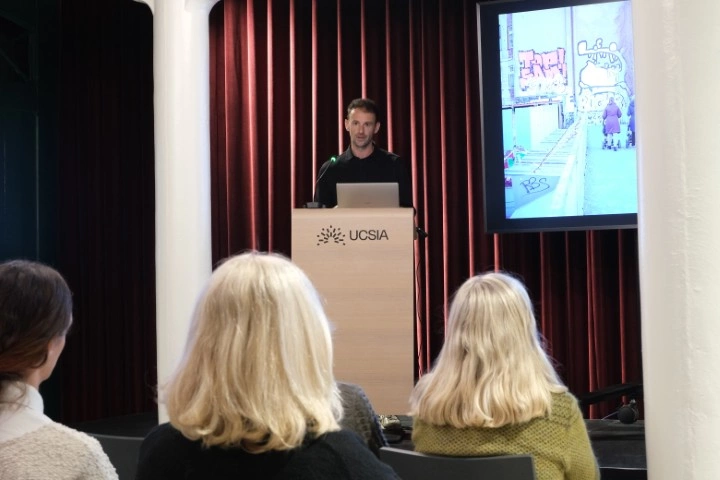
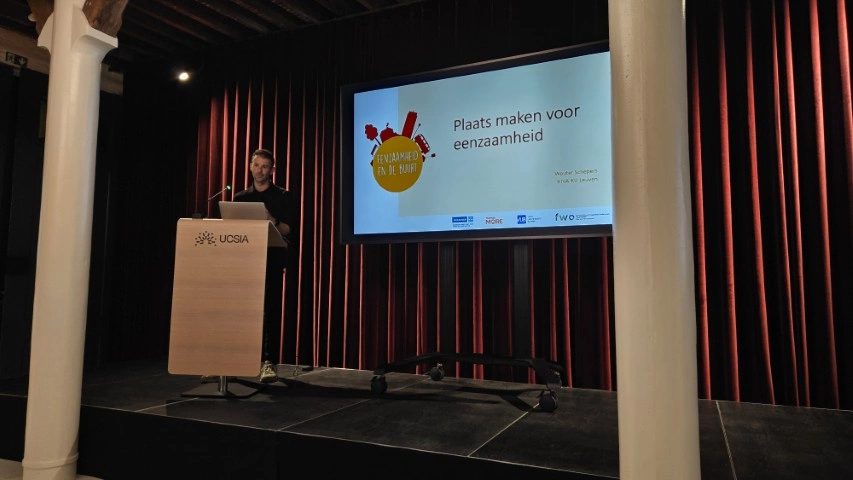
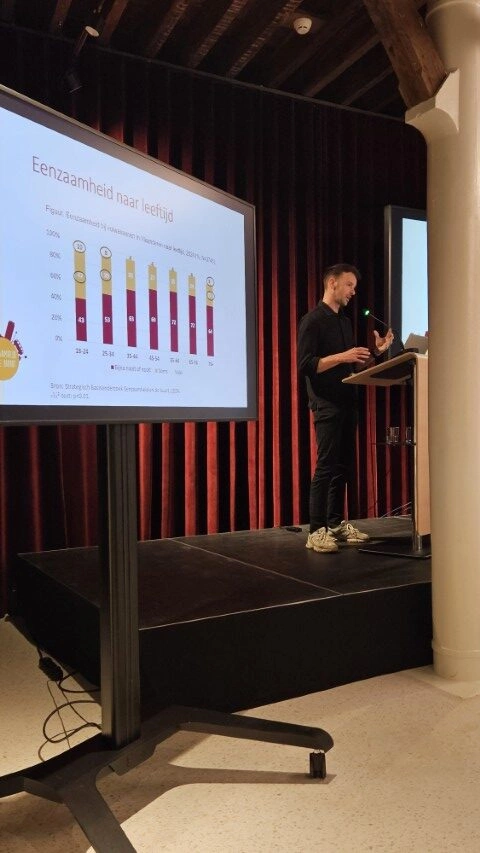
Loneliness is often approached as an individual problem. But the neighbourhood you live in plays a far greater role than we usually realize. That is the key message of Wouter Schepers, senior researcher at HIVA – KU Leuven and doctoral researcher within the FWO project A Lonely Planet (2022–2026).
What do we mean by loneliness?
Wouter begins by making an important conceptual distinction: loneliness is not the same as social isolation.
Loneliness is a subjective feeling: the unpleasant experience that one’s social relationships are lacking in quantity or quality. Someone may have very few social contacts and feel perfectly content, while someone else may be surrounded by people and still feel lonely.
Within this overarching concept, research distinguishes four forms: emotional loneliness (the absence of a close, intimate bond), social loneliness (insufficient or unsuitable social contacts), existential loneliness (the feeling of not being understood or of not belonging in the world), and collective loneliness (not feeling part of a group or community).
How can we study loneliness?
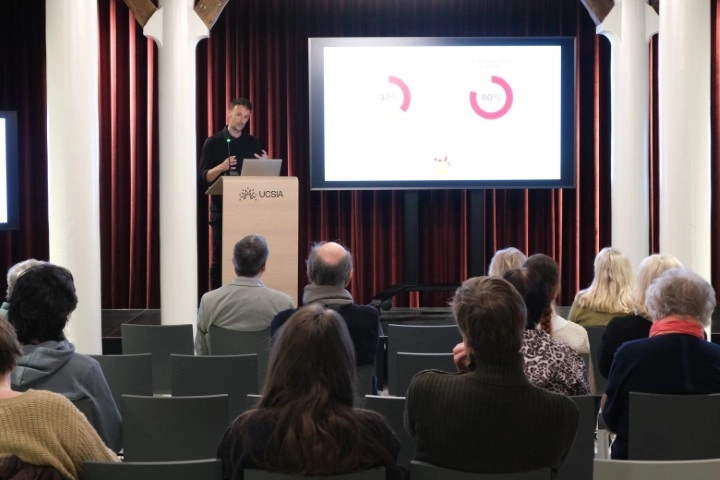
Drawing on a quantitative survey of 3,756 people in Flanders and in‑depth neighbourhood case studies, Wouter showed how physical neighbourhood characteristics – green spaces, street furniture, mobility, local amenities – and social neighbourhood characteristics – contact with neighbours, a sense of community – are linked to feelings of loneliness.
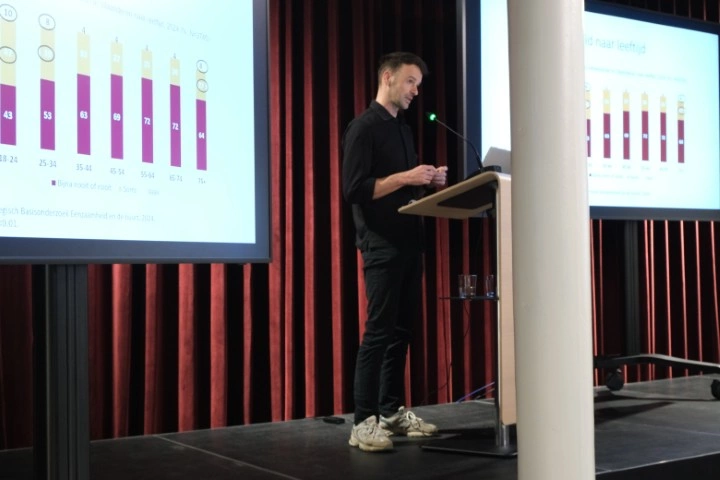
The data also reveal clear risk groups: young adults (aged 18–34) and people aged 75 and over score highest on loneliness, as do people with a low socio-economic status, jobseekers and people living alone. These risk factors also tend to reinforce one another: for example, poverty can limit people’s ability to take part in social activities, which in turn increases isolation.
The neighbourhood adds an extra dimension: people living in a vulnerable, less liveable environment tend to go outside less and have fewer chance encounters, which further increases the risk of loneliness. His team also developed a neighbourhood detection tool that enables local authorities to identify areas where the risk of loneliness is higher.
COVID-19 and caring neighbourhoods
COVID‑19 made that connection tangible: people became more sharply aware of the quality of their living environment. The concept of the caring neighbourhood already existed before, but its development accelerated significantly during the pandemic.
Wouter, however, argues that loneliness should not only be approached from a care perspective, but also from a spatial planning perspective, as a well-designed neighbourhood indirectly fosters more interaction without the need to actively steer people towards social contact.
Find out more...
Citizens in action
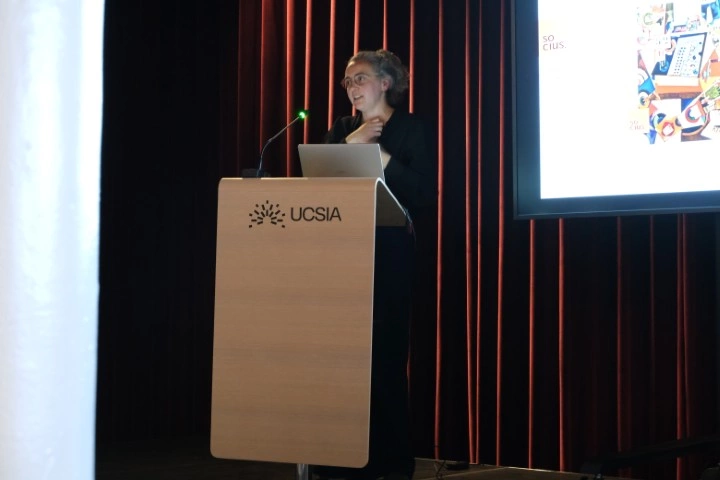
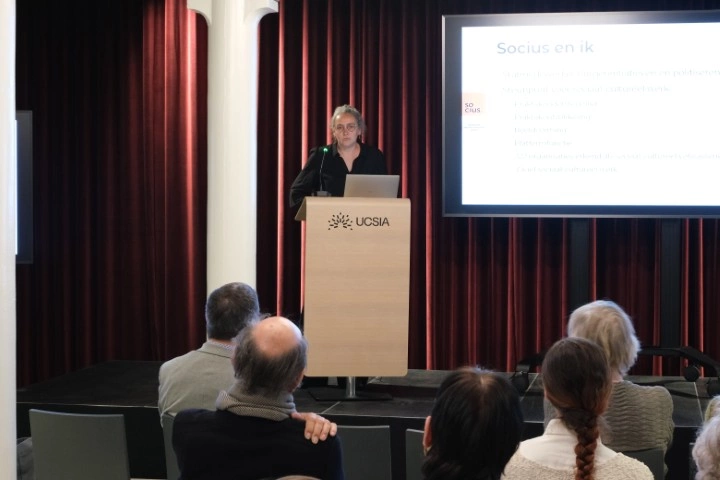
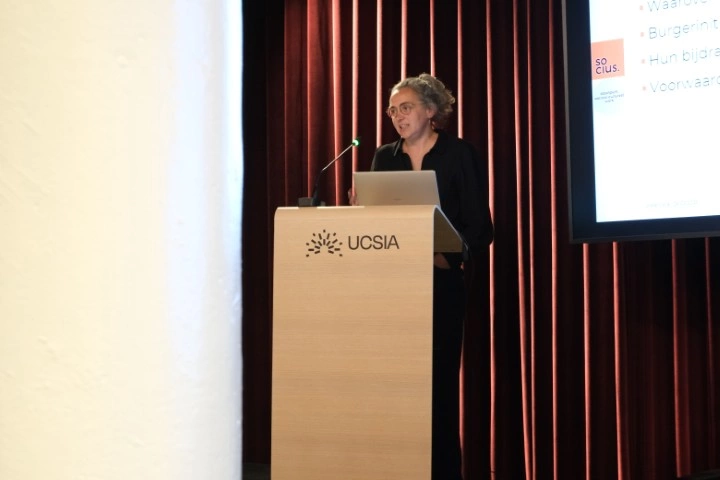
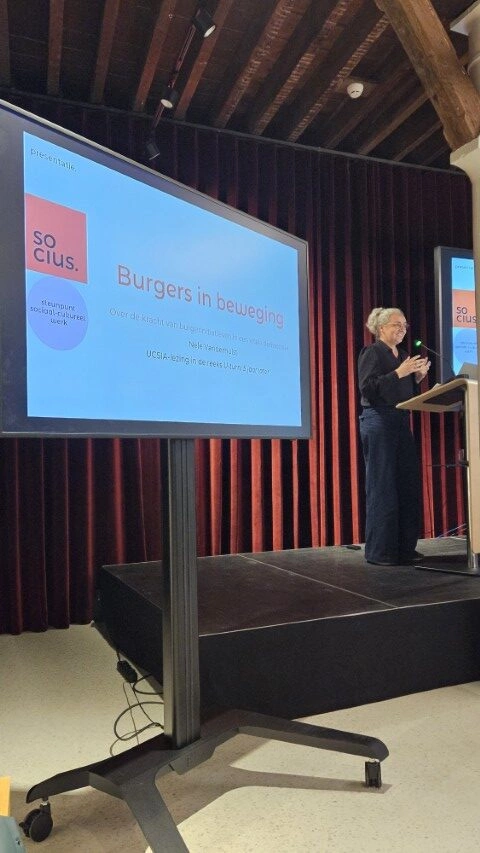
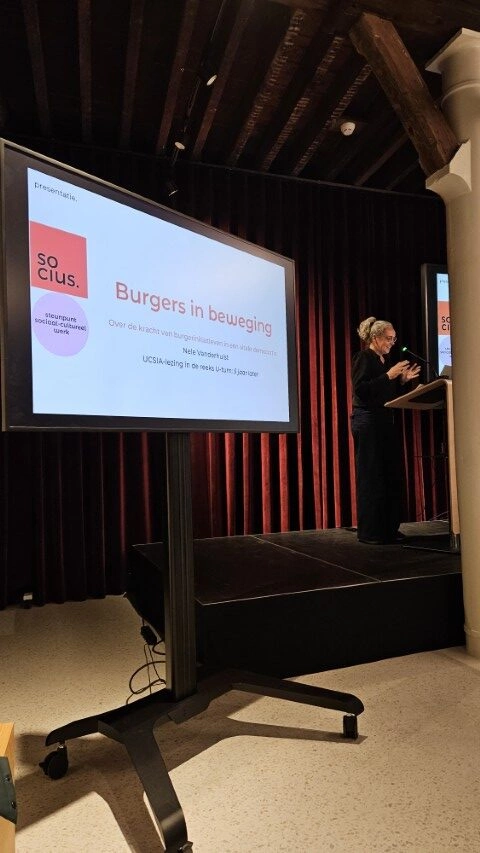
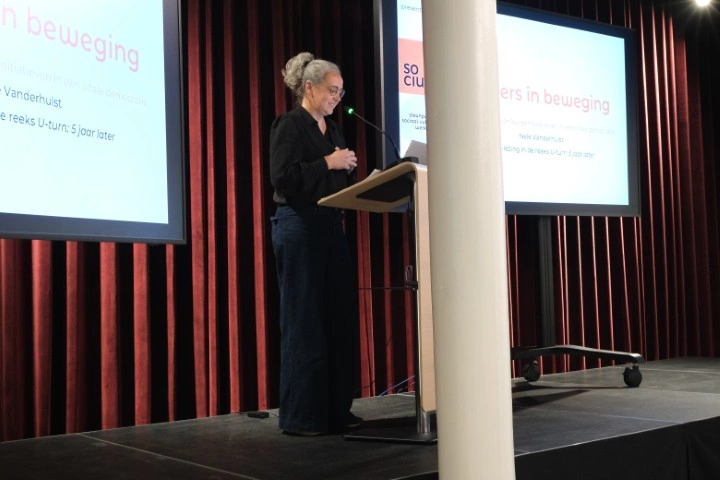
During the pandemic, many citizens spontaneously joined forces. But did that wave of engagement endure? And are crises really a catalyst for citizen initiatives? Nele Vanderhulst, staff member at Socius (the support centre for socio‑cultural work), set out to find an answer.
What is a citizen initiative?
She begins with a fundamental question: what exactly is a citizen initiative? The answer depends on the lens you use. Nele distinguishes three different perspectives.
From the perspective of the participatory society, citizen initiatives are seen as partners capable of taking on government responsibilities – solid, reliable and committed to the long term.
From the perspective of ‘do-democracy‘, attention is paid to the full spectrum of citizen initiatives: from a one-off neighbourhood party to an action committee aiming to block a permit.
And from the perspective of the sustainability transition, the focus is on initiatives that aim to bring about a fundamental shift towards a more sustainable society, in which governments, market and citizens all have a role to play. At Socius, they primarily adopt this second perspective.
Crisis as a catalyst
A crisis accelerates what is already happening: it brings societal issues into sharper focus and prompts people who already felt a need or sense of concern to take action.
Nele illustrates this with examples such as AfroMedica (an initiative for inclusive healthcare, launced in 2020 partly in response to the Black Lives Matter movement and the pandemic), Honk (a care cooperative for people with disabilities), and OpgewekTienen (a citizen movement focused on social cohesion).
Warning sign of system failure
Citizen initiatives can also serve as a warning sign of system failure: where governments and the market fall short, citizens step in to fill the gap.
She concludes with a call to action: a genuine U-turn requires policy frameworks that foster trust rather than impose control, and established organizations and new initiatives must dare to find one another.
She also warns against a narrow cost-cutting perspective: if citizen initiatives are primarily used to compensate for public spending cuts, their true strength – the personal commitment and bottom-up collective engagement – risks being lost.
Find out more...


U-turn: 5 years later
This was the third lecture in the series U-turn: 5 years later, in which we explored the lasting impact of the COVID period.
When COVID-19 broke out in 2020, our society came to a standstill. Suddenly, there was space to imagine a new way of living together, with greater attention to humanity, solidarity and social justice.
Five years have passed. What is left of those noble intentions?
Discover the other lectures in the series:
Listen to the podcast Solidariteit Spreekt!
In the first season of our podcast Solidariteit Spreekt, we build up towards the lecture series U‑turn: 5 years later.
Journalist Linda De Win, together with experts, examined developments in solidarity, sustainability, and future thinking through the lens of the COVID period.
Discover the podcast series Solidariteit Spreekt!
- Urban sociologist Stijn Oosterlynck (University of Antwerp) and Naima Charkaoui (11.11.11) on solidarity and international cooperation
- Cathy Macharis (House of Sustainable Transitions – VUB) and Eva Smets (Oxfam Belgium) on sustainability and social justice
- Bert De Munck (University of Antwerp) and Jorgen Stassijns (Sciensano) on thinking about the future