Eight Centuries Less. Francis of Assisi
In 1226, Francis of Assisi died. The wealthy merchant’s son who cast his expensive clothes at his father’s feet chose a life without possessions, devoted to serving the poorest. Eight hundred years after his death, his ideas and values continue to inspire people.
Saint Francis laid the foundations for the Franciscan tradition’s approach to and embodiment of peace, poverty and care for the earth.
On 26 November, 10 and 17 December, UCSIA invites historians and professionals from the social sector to explore these ideas and ideals of peace, poverty and ecology, placing them in context and assessing their relevance in the light of today’s challenges.
The lecture series is linked to the exhibition Eight Centuries Less at the Ruusbroec Library of the University of Antwerp.
Francis and ‘nature’ in the late Middle Ages: sacred mountains and more
Lecture by Marianne Ritsema van Eck (Vrije Universiteit Amsterdam)
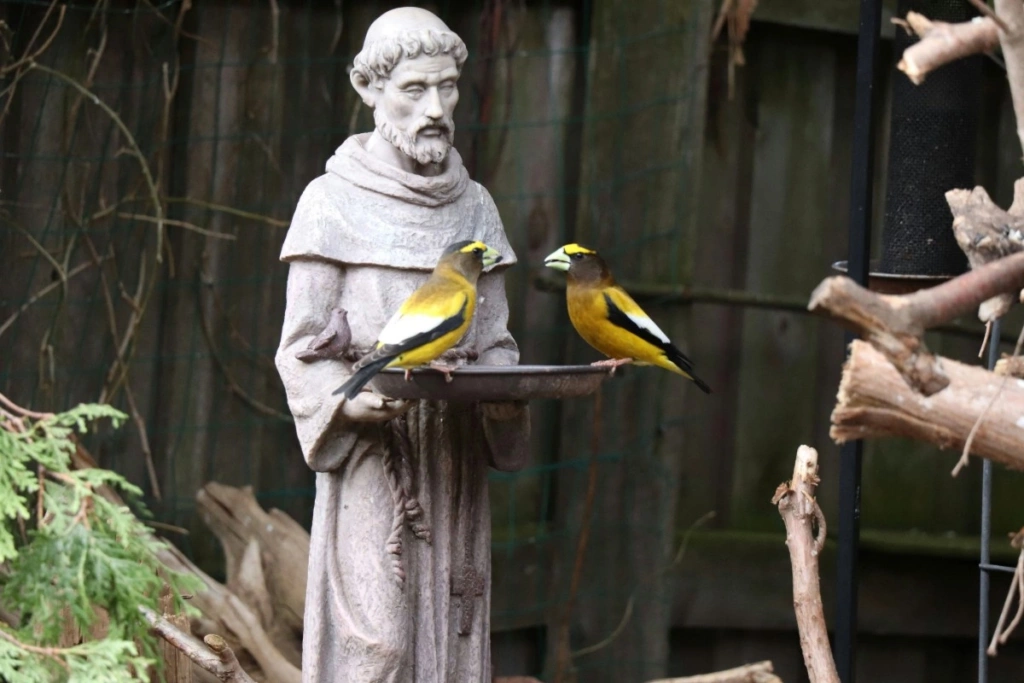
The relationship between Francis of Assisi and nature continues to inspire contemporary responses to environmental challenges. This lecture explores how late medieval Franciscans interpreted Francis’s relationship with nature before it acquired its distinctly ecological dimension in the modern era. It considers how Francis’s ascetic retreat into the wilderness was commemorated in and through natural landscapes themselves. This environmental-historical approach, with its focus on historical ideas about and representations of nature, sheds new light, among other things, on the origins and significance of the Franciscan sacred mountains (sacri monti) in Italy.
Marianne Ritsema van Eck is Assistant Professor of Medieval History in the Department of Cultural and Religious History at Vrije Universiteit Amsterdam. Her research focuses on the late Middle Ages and the early modern period, with particular interests in pilgrimage, the cult of saints, Franciscan history, historical cartography, and the material and visual culture of religion. Before joining VU Amsterdam in 2024, she was Assistant Professor of Medieval History at Leiden University and postdoctoral researcher at the Norwegian Institute in Rome. She received her PhD from the University of Amsterdam in 2017.
What and who inspire Broederlijk Delen’s social and ecological commitment today?
Lecture by Karel Ceule (Broederlijk Delen)
Eight hundred years after the death of Francis of Assisi, his question remains strikingly relevant: how much are we willing to share with those who have less? At a time when international solidarity is facing cuts, his example challenges us to look beyond our own borders.
Broederlijk Delen was founded in 1961 as an emergency relief campaign launched by the Belgian bishops in response to a famine in the Congo. Within a few years, it had grown into an international solidarity organization driven by the principles of justice, liberation and systemic change. In 1989, it became a pioneer in the field of environmental issues.
In this lecture, we explore the sources of social and ecological inspiration that continue to guide Broederlijk Delen: consuming less as a modern form of fasting, strong partnerships with grassroots organizations representing indigenous peoples, the social teaching of the Church (particularly Pope Francis’s encyclical Laudato Si’) and the connections with the spirituality of Francis of Assisi.
Karel Ceule holds master’s degrees in Philosophy (Hochschule für Philosophie, Munich, 1986), Theology (KU Leuven, 1992) and Television-Radio-Film (Newhouse School of Public Communications, Syracuse University, USA, 1995). He was a member of the Society of Jesus from 1980 to 1998 and subsequently worked as a multi-camera director for religious programming at VRT, and as a freelance producer-director of documentaries and television reports. Since 2003, he has been press officer and head of audiovisual productions at Broederlijk Delen.
Programme
- 19:00 CET | Doors open
-
19:30 CET | Welcome and introduction
by Erik De Bom, Director of UCSIA -
19:35 CET | Lecture: 'Francis and ‘nature’ in the late Middle Ages: sacred mountains and more'
by Marianne Ritsema van Eck (VU Amsterdam) -
20:00 CET | Lecture: ‘What and who inspire Broederlijk Delen’s social and ecological commitment today?’
by Karel Ceule (Broederlijk Delen) - 20:25 CET | Questions from the audience
-
20:30 CET | End of the event and optional visit to the exhibition Eight centuries less
at the library of the Ruusbroec Institute, Grote Kauwenberg 34, 2000 Antwerp
Eight Centuries Less
How do Francis’s ideas on peace, poverty and ecology live on today? Discover the other lectures in the series:
- On Peace on 26 November 2026 – a joint lecture (in Dutch) with Barbara Mertens (TAU) and Bénédicte Kusendila (Pax Christi Flanders)
- The Franciscan Virtue of Poverty on 10 December 2026 – a webinar (in English) with Neslihan Şenocak (Columbia University)
- On Poverty on 10 December 2026 – a lecture (in Dutch) by Pascal Debruyne, lecturer and researcher at Odisee University of Applied Sciences
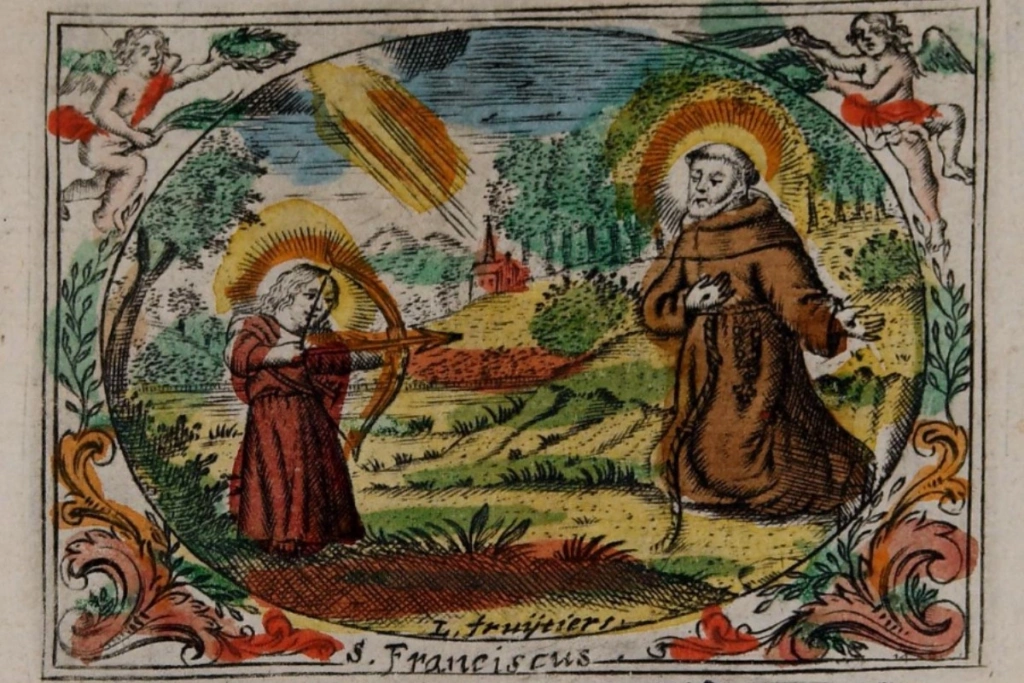
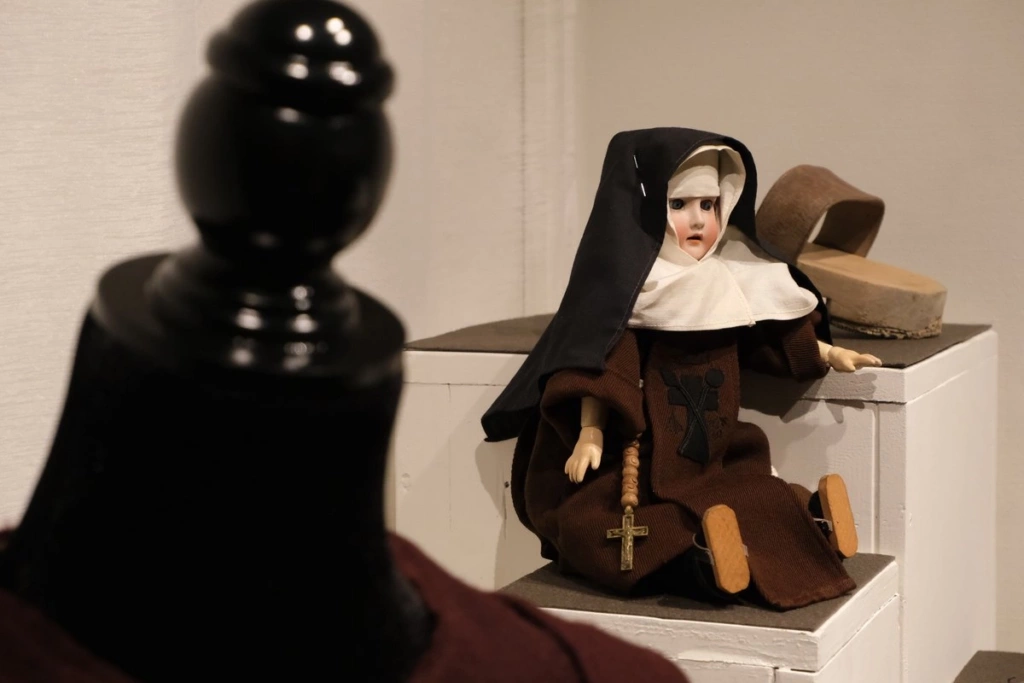
This series ties in with the exhibition Eight centuries less. From Francis’s youth in Assisi to the Jesuit concept of magis: explore the surprising traces of Francis of Assisi in the collection of the Ruusbroec Institute Library. Discover manuscripts, devotional prints and, for the first time, Sister Rumolda’s habit.
You can visit the exhibition free of charge until 29 January 2027 at the Ruusbroec Institute Library, Grote Kauwenberg 34, 2000 Antwerp.